Важность низковольтного трансформатора в современных электросетях
Опубликовано: Автор: Johsuntech
The demand for large capacityнизковольтный трансформатор has grown rapidly in industrial zones, where they efficiently support heavy loads without compromising energy stability.
In today’s power-driven industrial world, electricity flows nonstop through an intricate web of systems that power cities, factories, and technologies. At the heart of this network lies a crucial yet often overlooked component—the низковольтный трансформатор. These devices not only ensure reliable electrical power distribution but also protect equipment and optimize energy use.
Whether you manage industrial projects, operate manufacturing facilities, or supply electrical components, understanding how high-capacity low voltage transformers support energy systems can significantly impact your operational efficiency and safety.
What Is Low Voltage Transformer
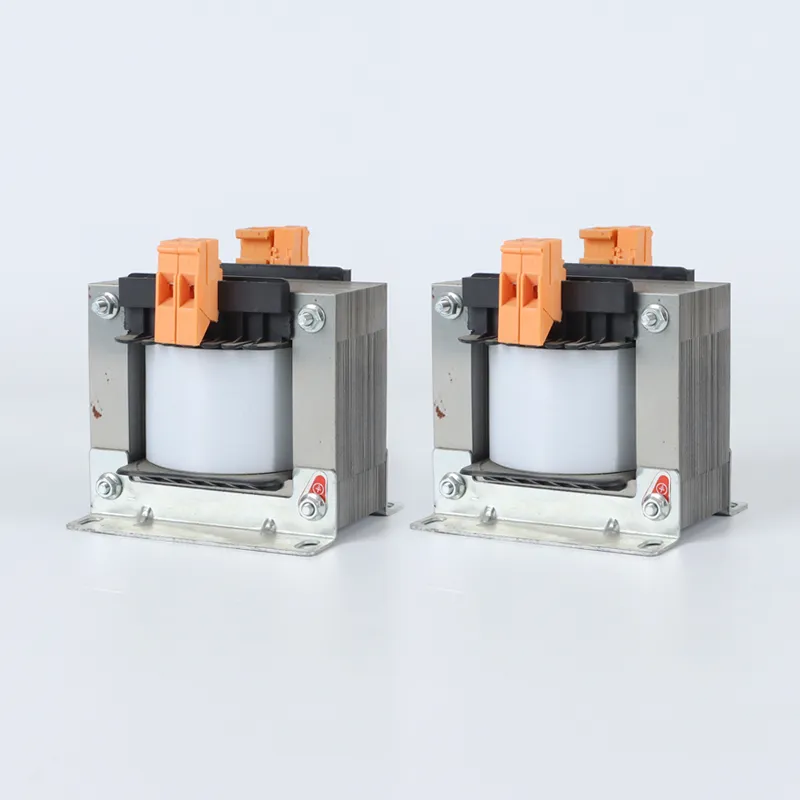
A низковольтный трансформатор steps down the high input voltage to a safer, usable level—typically below 1,000 volts. It enables the distribution of electrical energy to end-users like residential areas, workshops, and small-scale industries.
The demand for large capacity low voltage transformers has grown rapidly in industrial zones, where they efficiently support heavy loads without compromising energy stability. These transformers are vital components in sectors such as manufacturing, building automation, HVAC, and renewable energy distribution.
High-voltage systems rely on transformers to bridge power transitions safely. The low voltage category is especially used when safety and precision are paramount.
Why Low Voltage Transformers Matter in the Electrical Grid
Power grids depend on transformers of various types and capacities to keep energy flowing at the correct voltage levels. Низковольтные трансформаторы provide the final, essential step in the power delivery process—transforming high transmission voltages into the levels required by local systems.
By maintaining consistent output under variable loads, these transformers protect equipment from voltage fluctuations and reduce the risk of downtime.
A well-designed industrial low voltage transformer ensures:
Stable power distribution. Voltage stability prevents overloads and electrical disturbances.
Energy efficiency. Energy loss during conversion is minimized through advanced core materials and smart design.
Extended equipment life. The transformer shields electrical systems against surges and harmonics.
Safety compliance. Conforms to IEC or UL standards, ensuring operational safety.
The Role of High-Capacity Transformers in Industry
Today’s industries rely on high-capacity low voltage transformers to operate energy-intensive machinery. These units handle larger loads while maintaining excellent voltage regulation.
For example, a 500 kVA low voltage transformer can support large factory sections, heavy motors, or production lines requiring uninterrupted power.
Industrial Sector
Typical Transformer Capacity
Key Benefit
Производство
300–800 kVA
Continuous machine operation
Строительство
100–400 kVA
Site power stability
HVAC Systems
50–250 kVA
Maintains consistent cooling and heating power
Возобновляемые источники энергии
200–600 kVA
Converts generated power into usable voltage levels
When designing power distribution networks, electrical engineers often select three-phase low voltage transformers for better efficiency and load balancing.
Energy Efficiency and Sustainability Trends
Energy efficiency is no longer optional—it’s mandatory for businesses looking to cut costs and comply with green regulations. Modern energy-efficient low voltage transformers reduce core and copper losses, saving both electricity and money.
Advanced models now feature:
Amorphous metal cores, which minimize hysteresis loss.
Thermal monitoring systems that prevent overheating.
Smart connectivity for remote monitoring and predictive maintenance.
Switching to eco-friendly transformer designs demonstrates your company’s commitment to sustainability while also increasing profitability through reduced energy wastage.
Чтобы заказать высокоэффективный низковольтный трансформатор, подходящий для поставок B2B, свяжитесь с нашим отделом продаж для получения технической консультации и скидок на оптовые заказы.
Low voltage transformers play diverse and critical roles across multiple modern industries and commercial environments. Commonly, they are known for their reliability and flexibility, ensuring safe voltage levels and consistent power distribution wherever electrical systems require stability and scaling. These transformers are employed well beyond simple lighting or household appliances – they underpin vast, complex operations in manufacturing, infrastructure, transport, and sustainability initiatives.
In industrial zones, low voltage transformers serve large power systems, such as electric furnaces for metal smelting, heat treatment operations, molding processes, and automated machinery lines. They are almost always present in data centers too, ensuring robust, clean power for server racks and networking equipment. Data centers demand zero downtime and high load handling, making energy-efficient transformer models indispensable for uninterrupted performance.
Low voltage units also anchor renewable energy conversion systems: for instance, in photovoltaic solar plants, they interface with inverters, making sure the renewable DC output is transformed to usable levels for grid connection or local use. Similarly, in EV charging stations and energy storage solutions, they regulate current flow and protect sensitive electronics from surges or harmonics.
In urban infrastructure, low voltage transformers are core components of building automation systems, controlling HVAC, lighting, elevators, and security systems in smart buildings, shopping centers, and hospitals. Transportation networks, like subways or metros, depend on these transformers for signaling, controls, and auxiliary device power—delivering reliable, low-noise, and stabilized supply where safety is paramount. Data monitoring and metering cabinets in substations rely on precision transformer units for accurate electrical measurement, grid management, and automated control.
Home and office environments, too, benefit from low voltage transformer technology. From office devices and consumer electronics, to protection for sensitive laboratory instruments and medical devices, these transformers ensure safe operation and compliance with international safety regulations.
In summary, low voltage transformers have become irreplaceable in fields such as:
Metal smelting and pulsed industrial heating systems,
Data centers and telecommunication infrastructure,
Building automation and smart infrastructure,
Solar and wind energy conversion sites,
EV charging stations,
Urban rail and metro networks,
Scientific, commercial, and medical instrumentation.
For custom transformer configurations addressing your unique industrial needs, submit your requirements today and receive a tailored solutions plan from our expert engineering team. Reliable supply, stable voltage, and energy savings are just one inquiry away.
Selecting the Right Low Voltage Transformer
Choosing the correct transformer depends on various parameters such as power capacity, application environment, and compliance standards.
Key considerations include:
Load Requirements: Match the rated capacity to your total operational load plus a safety margin.
Voltage Ratio: Ensure compatibility with both supply and load voltage.
Efficiency Class: Choose models certified for high efficiency (e.g., DOE Level 2).
Cooling System: Air-cooled units for indoor use; oil-immersed for outdoor or heavy-duty setups.
Protection Features: Overload protection, thermal sensors, and enclosures rated IP54 or higher.
Параметр
Recommended Choice
Business Benefit
Номинальная мощность
100–500 kVA
Supports industrial systems
Эффективность
≥ 95%
Reduces operational cost
Noise Level
< 60 dB
Suitable for indoor use
Enclosure
IP54 / IP65
Suitable for humid or dusty environments
Need tailored advice for your industry? Submit your power specifications to receive a customized transformer quotation from our engineering team today.
Рекомендации по установке и техническому обслуживанию
Proper installation ensures transformer longevity. Always mount units on level, vibration-free surfaces and ensure adequate ventilation.
Maintenance guidelines include:
Regular insulation resistance testing.
Checking terminal connections for signs of wear or corrosion.
Monitoring temperature rise during full load conditions.
Cleaning air filters or oil cooling elements periodically.
Following these steps can extend the service life by years and prevent costly downtime.
Safety and Compliance
Low voltage transformers must meet international safety and efficiency standards such as IEC 60076, UL 1561, or CE marking. Compliance is essential to guarantee safe installation and use across international projects.
Modern transformers also integrate short-circuit protection, overload limiters, and automatic thermal shutdown to safeguard personnel and equipment.
In the vast landscape of electrical engineering, the низковольтный трансформатор acts as a silent guardian—keeping voltage levels safe, equipment efficient, and operations stable.
For industries and commercial projects, investing in high-capacity, energy-efficient low voltage transformers ensures reliable performance, long-term savings, and compliance with modern standards.
If your business seeks dependable power distribution solutions, now is the time to partner with a trusted low voltage transformer manufacturer. Get in touch today to request a product catalog or quote tailored to your operational needs.
ЧАСТО ЗАДАВАЕМЫЕ ВОПРОСЫ
u003cstrongu003eWhat is the maximum capacity of a low voltage transformer?u003c/strongu003e
Capacities can range from a few kVA to over 1000 kVA depending on the application. High-capacity models are commonly used in factories and renewable energy plants.
u003cstrongu003eWhat makes a transformer energy-efficient?u003c/strongu003e
Improved core materials and precise coil winding reduce no-load and copper losses, improving total efficiency.
u003cstrongu003eCan low voltage transformers be used for both indoor and outdoor installations?u003c/strongu003e
Yes. Air-cooled models fit indoor use, while oil-immersed or sealed units perform well outdoors.
u003cstrongu003eHow often should I maintain my transformer?u003c/strongu003e
Conduct inspections every 6–12 months depending on the load and environment. Preventive care ensures long service life.
u003cstrongu003eWhere can I buy quality low voltage transformers?u003c/strongu003e
For custom-built, high-efficiency low voltage transformers suitable for B2B supply, u003cstrongu003econtact our sales teamu003c/strongu003e for technical consultation and bulk order discounts.
For custom-built, high-efficiency low voltage transformers suitable for B2B supply, contact our sales team for technical consultation and bulk order discounts.
Transformer core saturation happens when the core can no longer absorb more magnetic flux. Learn the causes, symptoms, a simple no-load test and prevention for 100 VA-10 kVA dry-type transformers.
How a buck-boost transformer works: series-winding polarity, differential kVA sizing with single-phase and three-phase examples, and the five limits that decide when it is the wrong tool.
How to size a step-up transformer for a motor: locked-rotor current, kVA code letters, starting kVA by method, voltage-dip and thermal-duty checks, plus the traps most guides miss.
Мы используем файлы cookie для улучшения вашего пользовательского опыта, предоставления персонализированного контента и анализа посещаемости нашего сайта.