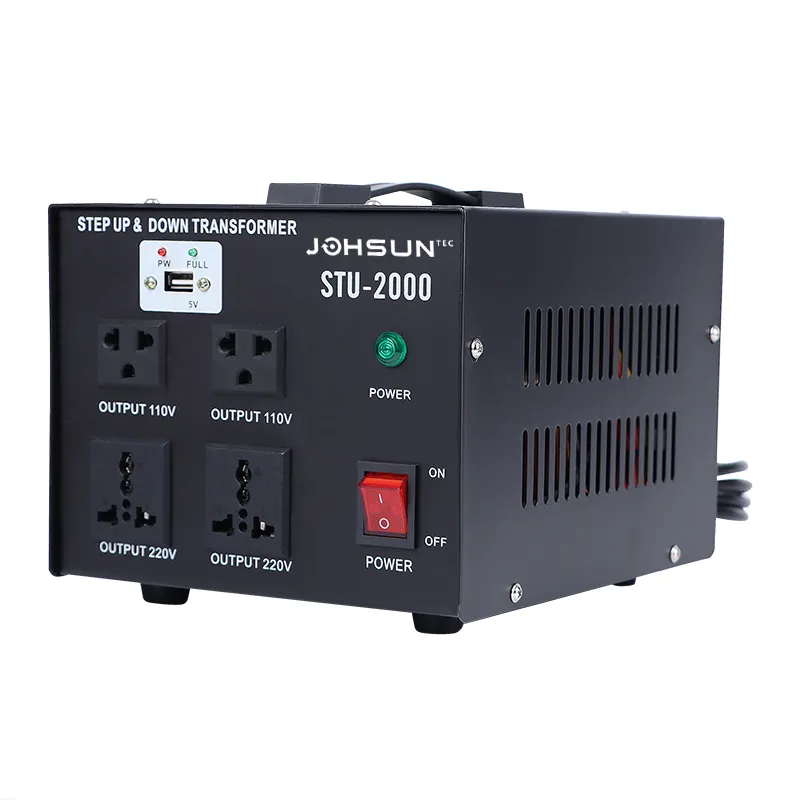
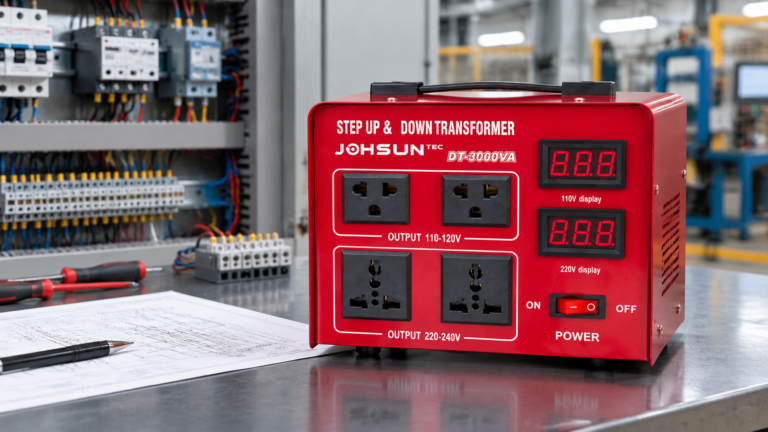
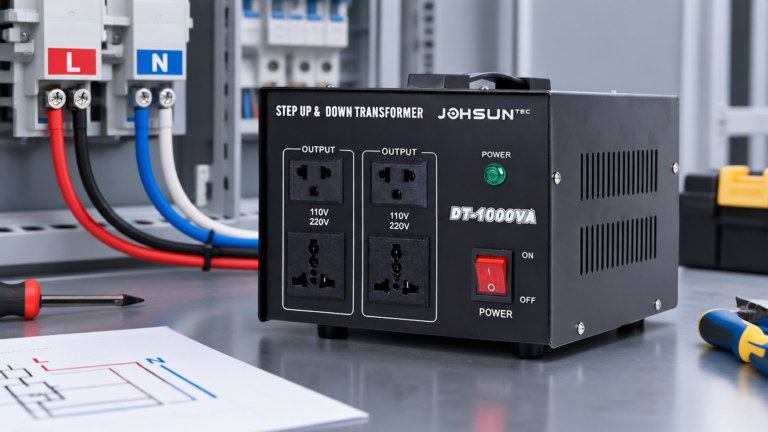
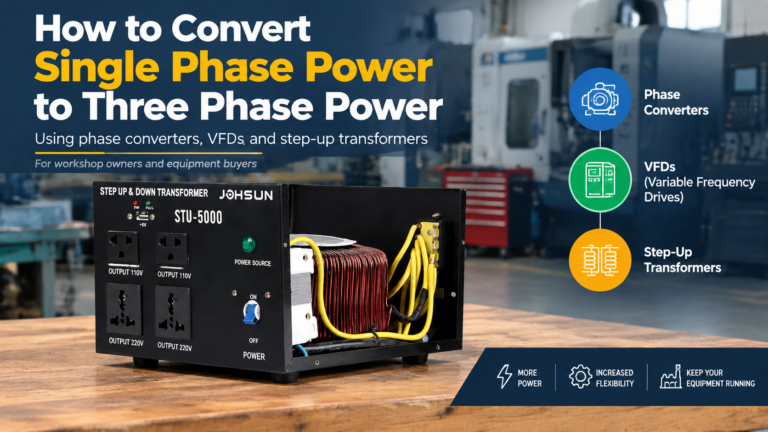
We are a transformer supplier. Today we will share special types of transformers, their working principles and applications. Whether you are a professional in the power industry or someone new to transformers, I believe this article will help you better understand the world of transformers. We will use simple and easy-to-understand language, combined with rich examples, to take you through the secrets of various transformers.
By the way, at the end of the article, we transformer supplier have professional transformer product recommendations. B2B customers are welcome to contact us anytime for customized solutions and quotations!
A transformer is an electrical device used to change the voltage and current of alternating current (AC). It mainly consists of a core and two windings: the primary coil (connected to the power source) and the secondary coil (connected to the load). When AC flows through the primary coil, it generates a changing magnetic flux in the core, which induces a voltage in the secondary coil, thus transferring and converting electrical energy.
In simple terms, the working principle of a Transformer suppliers produce is based on electromagnetic induction, which means “electricity generates magnetism, and changing magnetism generates electricity.” The magnetic field generated by the primary coil is transferred to the secondary coil, which induces a different voltage depending on the number of turns. The more turns, the higher the voltage; fewer turns mean lower voltage.
An autotransformer has only one winding, part of which acts as both the primary and secondary winding. It changes voltage by tapping different points on the winding. Compared to ordinary transformer, autotransformers are smaller, cheaper, and more efficient but lack electrical isolation. They are suitable for voltage regulation and power transmission.
Applications: Voltage regulation, motor starting, energy-saving retrofits.
An isolation transformer has equal turns on the primary and secondary coils. Its main function is electrical isolation to prevent direct current conduction, improving equipment and personnel safety. It also suppresses electromagnetic interference and protects sensitive devices.
Applications: Medical equipment, laboratory instruments, industrial automation systems.
Power transformers are used in high-voltage transmission systems. They can handle high power and voltage, responsible for voltage conversion in power grids. They are robust and have excellent cooling systems to ensure stable long-term operation.
Applications: Power substations, large industrial plants.
Distribution transformers convert high voltage to low voltage suitable for homes and businesses. They are usually installed in transformer boxes or on poles to supply power directly to end users.
Dry-type transformers do not use oil for cooling but rely on air cooling. They are safe, environmentally friendly, and suitable for indoor or environmentally sensitive places. They are easy to maintain and have good fire resistance.
Oil-immersed transformers use insulating oil for cooling and insulation. The oil not only dissipates heat but also prevents winding short circuits. They are suitable for outdoor and high-load environments.
Grounding transformers are used for neutral point grounding in power systems to prevent overvoltage and protect equipment safety. They play a key role in grid stability and safety.
Transformers are not just voltage converters; they play diverse roles in industry and daily life:
- Industrial Manufacturing: Furnace transformers and welding transformers provide stable power for high-temperature processing and welding.
- Electronic Devices: Small power transformers ensure safe and stable operation of electronic products.
- Power Systems: Transformers regulate voltage, protect the grid, and ensure stable power supply.
- Special Environments: Dry-type transformers are suitable for hospitals, subways, and other places with high safety and environmental requirements.
The world of transformer is rich and diverse. Each special type has its unique working principle and application scenario. Understanding this knowledge not only helps you choose the right product but also improves the safety and efficiency of your equipment.
As a professional transformer supplier, we are committed to providing high-quality, customized transformer solutions for B2B customers. No matter what type of transformer you need, you are welcome to visit our website at https://johsuntech.com/product-category/transformers/ or contact us directly for professional advice and quotations. Let’s work together to promote efficient development in power and industry!
If you find this article interesting or have any questions about transformers, don’t hesitate to contact us! We look forward to providing you with the most suitable transformer products and services for your projects.