Cuộn dây biến áp là gì? Hướng dẫn toàn diện dành cho người mới bắt đầu
Ngày đăng: Tác giả: Lisa
Khi bạn mở một biến áp Vỏ bọc, điều đầu tiên bạn nhận thấy là sợi dây được quấn chặt quanh lõi nhiều lớp. Sợi dây quấn đó chính là cuộn dây máy biến áp — thành phần quan trọng nhất quyết định hiệu quả của máy biến áp trong việc truyền tải năng lượng điện, điều chỉnh điện áp và quản lý nhiệt. Dù bạn là kỹ sư mua sắm đang đánh giá các nhà cung cấp hay kỹ thuật viên bảo trì đang tìm hiểu nguyên nhân khiến thiết bị gặp sự cố, việc hiểu rõ cuộn dây máy biến áp là gì và cách thức hoạt động của nó sẽ giúp bạn đưa ra những quyết định sáng suốt hơn. Trong hướng dẫn này, chúng tôi sẽ giải thích các nguyên lý cơ bản về cuộn dây biến áp, các vật liệu và kỹ thuật quấn dây được sử dụng trong sản xuất công nghiệp, cũng như những yếu tố cần lưu ý khi lựa chọn cuộn dây cho dự án của bạn.
Cuộn dây biến áp là gì?
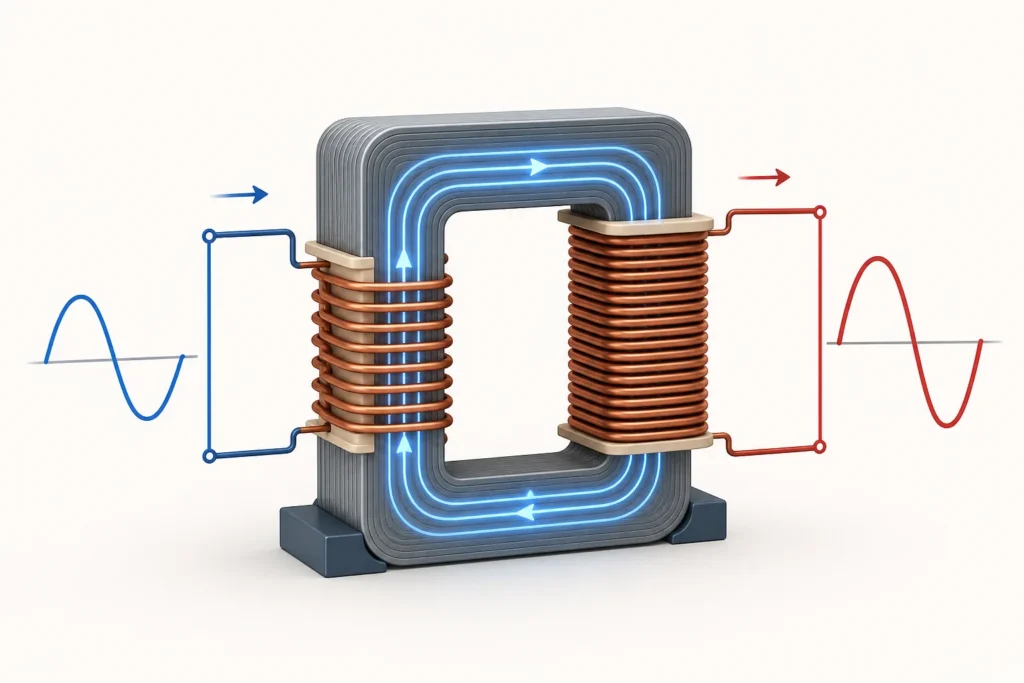
A cuộn dây máy biến áp là một cuộn dây dẫn điện quấn quanh lõi từ của máy biến áp. Mục đích của nó là truyền năng lượng điện giữa hai hoặc nhiều mạch thông qua hiện tượng cảm ứng điện từ — chuyển đổi điện áp từ cao sang thấp, hoặc từ thấp sang cao, tùy thuộc vào thiết kế. Nếu không có cuộn dây này, máy biến áp không thể tạo ra từ trường biến đổi cần thiết để cảm ứng điện áp trong mạch thứ cấp.
Hầu hết các máy biến áp đều có ít nhất hai cuộn dây:
Cuộn dây sơ cấp — nhận điện áp đầu vào từ nguồn điện.
Cuộn dây thứ cấp — cung cấp điện áp đầu ra đã được chuyển đổi cho tải.
Tỷ số điện áp giữa đầu vào và đầu ra phụ thuộc vào số vòng dây của mỗi cuộn dây. Nếu cuộn thứ cấp có số vòng dây gấp đôi so với cuộn sơ cấp, điện áp đầu ra sẽ tăng gấp đôi. Chính nguyên lý đơn giản về tỷ số vòng dây này đã tạo điều kiện cho sự ra đời của các loại biến áp tăng áp, giảm áp và cách ly.
Cuộn dây biến áp hoạt động như thế nào?
Các cuộn dây biến áp hoạt động dựa trên Định luật cảm ứng điện từ của Faraday. Khi dòng điện xoay chiều (AC) chạy qua cuộn sơ cấp, nó tạo ra một từ trường thay đổi liên tục trong lõi máy biến áp. Từ trường này cắt ngang qua cuộn thứ cấp và gây ra một điện áp trong cuộn đó. Vì hai cuộn dây không được kết nối điện với nhau, nên năng lượng được truyền hoàn toàn thông qua từ tính — một quá trình được gọi là cặp nối cảm ứng.
Mối quan hệ then chốt là Tỷ số biến đổi:
V₁ / V₂ = N₁ / N₂
Trong đó V₁ và V₂ lần lượt là điện áp sơ cấp và thứ cấp, còn N₁ và N₂ là số vòng dây tương ứng. Ví dụ, nếu cuộn sơ cấp có 100 vòng dây ở điện áp 110 V và cuộn thứ cấp có 200 vòng dây, thì điện áp đầu ra sẽ là 220 V. Đây chính là nguyên lý hoạt động của mọi Biến áp tăng áp được sử dụng trong các ứng dụng chuyển đổi điện áp.
Vật liệu lõi — thường là các lá thép silic mỏng — giúp tăng cường từ trường và giảm tổn thất năng lượng. Nếu không có lõi chất lượng cao, ngay cả một cuộn dây được quấn hoàn hảo cũng sẽ gặp phải các vấn đề như quá nhiệt, tiếng ồn và hiệu suất thấp.
Các vật liệu thường được sử dụng trong cuộn dây máy biến áp
Hiệu suất, tuổi thọ và chi phí của cuộn dây máy biến áp phụ thuộc rất nhiều vào vật liệu dẫn điện và hệ thống cách điện. Máy biến áp công nghiệp sử dụng ba loại vật liệu dẫn điện chính:
Dây đồng
Đồng là vật liệu dẫn điện được ưa chuộng nhất cho hầu hết các máy biến áp công nghiệp và thương mại. Loại vật liệu này có độ dẫn điện vượt trội (khoảng 97% IACS), độ bền cơ học tuyệt vời và khả năng chống oxy hóa cao. Các cuộn dây quấn bằng đồng ít sinh nhiệt hơn, chịu được tình trạng quá tải tốt hơn và thường có tuổi thọ cao hơn so với các sản phẩm thay thế bằng nhôm. Tuy nhiên, nhược điểm là chi phí vật liệu cao hơn và trọng lượng lớn hơn.
Dây nhôm
Dây dẫn bằng nhôm nhẹ hơn và tiết kiệm chi phí hơn, khiến chúng trở thành lựa chọn hấp dẫn cho các máy biến áp công suất lớn – nơi trọng lượng vận chuyển và ngân sách ban đầu là những yếu tố quan trọng. Tuy nhiên, nhôm có độ dẫn điện thấp hơn (khoảng 61% IACS), do đó các cuộn dây cần có diện tích mặt cắt ngang lớn hơn để dẫn cùng một cường độ dòng điện. Thiết kế đầu nối phù hợp là yếu tố quan trọng để tránh sự suy giảm chất lượng kết nối theo thời gian.
Dây tráng men
Dù là đồng hay nhôm, các dây dẫn trong máy biến áp thường được cách điện bằng một lớp men mỏng. Lớp cách điện này ngăn ngừa hiện tượng ngắn mạch giữa các vòng dây liền kề và đảm bảo sự cách ly điện đáng tin cậy. Lớp men cao cấp có khả năng chịu được ứng suất nhiệt lên đến 180 °C hoặc cao hơn, tùy thuộc vào cấp độ cách điện. Lớp cách điện bổ sung — chẳng hạn như giấy kraft, Nomex hoặc nhựa epoxy — được sử dụng giữa các lớp cuộn dây trong các thiết kế biến áp trung và cao áp.
Các loại cuộn dây biến áp
Cách bố trí vật lý của cuộn dây ảnh hưởng đến khả năng chịu điện áp, khả năng tản nhiệt, độ bền cơ học và chi phí sản xuất. Dưới đây là ba kiểu thiết kế cuộn dây phổ biến nhất thường thấy trong các máy biến áp phân phối và máy biến áp công suất:
Cuộn dây lớp
Trong phương pháp quấn lớp, dây cách điện được quấn thành các lớp xếp chồng lên nhau từ đầu này sang đầu kia của khuôn cuộn, với mỗi lớp được ngăn cách bởi vật liệu cách điện. Thiết kế này thường được sử dụng trong các máy biến áp phân phối có điện áp lên đến 33 kV và công suất định mức khoảng 600–750 kVA. Cuộn dây lớp có khả năng tản nhiệt tốt và quy trình sản xuất đơn giản, giúp chúng trở thành giải pháp hiệu quả về chi phí cho các ứng dụng thương mại tiêu chuẩn.
Cuộn đĩa
Cách quấn đĩa sắp xếp các dây dẫn thành các cuộn phẳng, hình bánh kếp, xếp chồng lên nhau theo chiều dọc dọc theo thân lõi. Các miếng đệm giữa các đĩa tạo ra các kênh làm mát cho dầu hoặc không khí lưu thông. Thiết kế này mang lại độ bền cơ học tuyệt vời trong các sự cố ngắn mạch và là lựa chọn tiêu chuẩn cho các máy biến áp công suất lớn trên 20 MVA hoặc điện áp trên 69 kV. Cuộn dây đĩa chịu được ứng suất điện cao tốt hơn cuộn dây lớp nhưng quá trình sản xuất phức tạp hơn.
Cuộn dây xoắn ốc
Cuộn dây xoắn ốc sử dụng các dây dẫn hình chữ nhật phẳng được quấn thành hình xoắn ốc liên tục, thường gồm nhiều dải song song. Loại cuộn dây này lý tưởng cho các ứng dụng điện áp thấp, dòng điện cao, nơi cuộn dây phải dẫn dòng điện lớn với tổn thất dòng xoáy tối thiểu. Bạn sẽ thấy các cuộn dây xoắn ốc ở phía điện áp thấp của các máy biến áp công suất lớn và trong các ứng dụng chuyên dụng như máy biến áp âm thanh hình xuyến.
Loại cuộn dây
Phù hợp nhất cho
Dải điện áp
Lợi thế chính
Lớp
Máy biến áp phân phối
Tối đa 33 kV
Hiệu quả về chi phí, tản nhiệt tốt
Đĩa
Máy biến áp công suất lớn
Trên 69 kV
Khả năng chịu ngắn mạch vượt trội
Xoắn ốc
Điện áp thấp, dòng điện cao
Tối đa 33 kV
Mất mát do dòng điện xoáy thấp
Tại sao thiết kế cuộn dây biến áp lại quan trọng
Thiết kế cuộn dây ảnh hưởng trực tiếp đến mọi chỉ số hiệu suất quan trọng của máy biến áp:
Độ chính xác điện áp — Số vòng quay chính xác đảm bảo điện áp đầu ra đúng theo quy định khi hoạt động ở tải định mức.
Hiệu quả — Vật liệu dây dẫn, diện tích mặt cắt ngang và độ căng cuộn dây ảnh hưởng đến tổn thất điện trở (I²R) và hiệu suất năng lượng tổng thể.
Sự gia tăng nhiệt độ — Mật độ cuộn dây thấp hoặc các kênh làm mát không đủ sẽ dẫn đến quá nhiệt và làm gia tăng tốc độ lão hóa lớp cách điện.
Tiếng ồn và rung động — Các cuộn dây lỏng lẻo hoặc độ căng không đều sẽ gây ra tiếng ù cơ học và làm tăng mức độ hao mòn theo thời gian.
Khả năng chịu được ngắn mạch — Các cuộn dây được gia cố đúng cách có khả năng chịu được các lực điện từ cực lớn phát sinh trong các tình huống sự cố.
Chỉ một lỗi sản xuất duy nhất — độ căng dây không đồng đều, số vòng quấn không chính xác hoặc độ cách điện giữa các lớp không đủ — cũng có thể dẫn đến hỏng hóc sớm, nguy cơ cháy nổ hoặc hư hỏng nghiêm trọng đối với thiết bị. Đó là lý do tại sao các nhà sản xuất uy tín đều kiểm tra từng cuộn dây về tính liên tục điện, điện trở cách điện và tỷ lệ vòng quấn trước khi lắp ráp hoàn thiện.
Cách chọn cuộn dây biến áp phù hợp cho ứng dụng của bạn
Khi đánh giá các máy biến áp dùng trong công nghiệp, thương mại hoặc cho các nhà sản xuất thiết bị gốc (OEM), hãy chú ý đến các thông số kỹ thuật liên quan đến cuộn dây sau đây:
Vật liệu dẫn điện — Nên chọn đồng cho các thiết kế có hiệu suất cao hoặc thiết kế nhỏ gọn; chọn nhôm khi trọng lượng và chi phí là những yếu tố ưu tiên.
Cấp độ cách nhiệt — Kiểm tra xem mức nhiệt độ định mức (Loại B = 130 °C, Loại F = 155 °C, Loại H = 180 °C) có phù hợp với môi trường vận hành của bạn hay không.
Loại cuộn dây — Hãy đảm bảo thiết kế phù hợp với mức điện áp, công suất dòng điện và các yêu cầu về ứng suất cơ học của bạn.
Phương pháp ngâm tẩm — Phương pháp ngâm tẩm chân không (VPI) hoặc nhựa đúc mang lại khả năng chống ẩm và độ ổn định cơ học tốt hơn so với phương pháp nhúng vecni thông thường.
Giấy chứng nhận kiểm định — yêu cầu thực hiện các thử nghiệm tỷ số xoay, đo điện trở cách điện và lập báo cáo phóng điện cục bộ cho các ứng dụng quan trọng.
Nếu bạn cần một thiết bị nhỏ gọn, đáng tin cậy cho các ứng dụng có công suất thấp đến trung bình, sản phẩm của chúng tôi Máy biến áp dòng STU được trang bị các cuộn dây quấn chính xác với lớp cách điện men cao cấp và hiệu suất nhiệt ổn định, với công suất từ 100 VA đến 2 kVA.
Kết luận
Cuộn dây biến áp không chỉ đơn thuần là một cuộn dây quấn — nó là thành phần hoạt động giúp thực hiện quá trình biến đổi điện áp. Việc hiểu rõ về vật liệu cuộn dây, kỹ thuật quấn dây và các cân nhắc trong thiết kế sẽ giúp bạn đánh giá chất lượng máy biến áp, so sánh các đề xuất từ nhà cung cấp và tránh những sai sót trong thông số kỹ thuật gây tốn kém. Dù bạn đang tìm nguồn cung ứng một sản phẩm đơn lẻ hay đánh giá một đối tác sản xuất lâu dài, tay nghề chế tạo cuộn dây nên là một trong những ưu tiên hàng đầu trong danh sách kiểm tra của bạn.
Sự khác biệt giữa cuộn dây biến áp và vòng dây biến áp là gì?
Hai thuật ngữ này thường được sử dụng thay thế cho nhau, nhưng về mặt kỹ thuật, “cuộn dây” (winding) dùng để chỉ toàn bộ số vòng dây của một mạch (mạch sơ cấp hoặc thứ cấp), trong khi “cuộn” (coil) có thể dùng để chỉ cụm dây dẫn được quấn lại với nhau, bao gồm lớp cách điện, khuôn định hình và các bộ phận đỡ.
Tại sao các cuộn dây máy biến áp lại sử dụng lõi ghép thay vì lõi sắt đặc?
Các lõi sắt đặc sẽ bị ảnh hưởng bởi các dòng điện xoáy lớn do từ trường xoay chiều gây ra, dẫn đến sinh nhiệt quá mức. Các tấm lá mỏng được cách ly với nhau giúp giới hạn các dòng điện xoáy trong các vòng lặp nhỏ, từ đó giảm đáng kể tổn thất lõi.
Một máy biến áp có thể hoạt động chỉ với một cuộn dây không?
Không. Một máy biến áp cần có ít nhất hai cuộn dây (cuộn sơ cấp và cuộn thứ cấp) để truyền năng lượng thông qua hiện tượng cảm ứng điện từ. Các thiết bị chỉ có một cuộn dây, chẳng hạn như cuộn cảm hoặc cuộn chặn, hoạt động dựa trên các nguyên lý khác và không biến đổi điện áp.
Làm thế nào để biết cuộn dây máy biến áp đã bị hỏng?
Các dấu hiệu thường gặp bao gồm tiếng kêu ù bất thường, nhiệt độ quá cao, mùi cách điện bị cháy, điện áp đầu ra dao động và các thiết bị bảo vệ bị ngắt. Việc kiểm tra điện bằng đồng hồ vạn năng hoặc máy đo điện trở cách điện có thể xác định các trường hợp mạch hở, cuộn dây bị chập hoặc sự cố chạm đất.
Đồng có phải luôn tốt hơn nhôm khi dùng làm cuộn dây máy biến áp không?
Không hẳn vậy. Đồng có độ dẫn điện và độ bền cơ học tốt hơn, nhưng nhôm lại nhẹ hơn và rẻ hơn. Đối với nhiều ứng dụng thương mại và tiện ích, máy biến áp quấn nhôm hoạt động đáng tin cậy khi được thiết kế và lắp đặt đúng cách. Lựa chọn tối ưu phụ thuộc vào mục tiêu hiệu suất, ngân sách, các hạn chế về lắp đặt và phân tích chi phí vòng đời.
Các mô hình được khuyến nghị cho thiết kế cuộn dây máy biến áp
Nếu bạn đang tìm hiểu về các thông số kỹ thuật thay vì đọc lý thuyết, hãy bắt đầu từ đây. Các mẫu này bao quát các dải công suất thường được yêu cầu nhất trong thiết kế cuộn dây máy biến áp, và mỗi mẫu đều có liên kết trực tiếp đến thông số kỹ thuật và khoảng giá tương ứng.
Vui lòng cung cấp cho chúng tôi thông tin về điện áp đầu vào, điện áp đầu ra, pha và công suất kVA liên tục mà quý khách cần; chúng tôi sẽ xác nhận mẫu sản phẩm phù hợp, giá cả và thời gian giao hàng trong vòng một ngày làm việc. Các thông số kỹ thuật không theo tiêu chuẩn sẽ được xử lý thông qua Sản xuất máy biến áp theo yêu cầu theo mô hình OEM/ODM.
Biến áp 230V sang 110V dành cho Tây Ban Nha: Tuân thủ tiêu chuẩn REBT, ITC-BT-18 và ITC-BT-24, nối đất cho cuộn thứ cấp và tài liệu theo tiêu chuẩn UNE-EN IEC 61558.
Biến áp 230V sang 110V dành cho Hà Lan: Tiêu chuẩn NEN 1010, quy định về dòng rò 30 mA, sự khác biệt giữa công tắc ngắt dòng rò (aardlekschakelaar) và bộ ngắt tự động dòng rò (aardlekautomaat), cùng với hệ thống nối đất thứ cấp.
Biến áp 230V sang 110V dành cho Pháp: Tiêu chuẩn NF C 15-100, nối đất theo tiêu chuẩn TT, bảo vệ chênh lệch dòng điện 30 mA và khi nào cần nối đất cho cuộn thứ cấp.