Niederspannungstransformator in modernen Stromnetzen Bedeutung
Veröffentlicht: Autor: Johsuntech
Die Nachfrage nach großer KapazitätNiederspannungstransformator hat in Industriegebieten rasch an Bedeutung gewonnen, wo sie schwere Lasten effizient tragen, ohne die Energieversorgungssicherheit zu beeinträchtigen.
In der heutigen, von Energie getriebenen Industriewelt fließt Strom ununterbrochen durch ein komplexes Netz von Systemen, die Städte, Fabriken und Technologien mit Energie versorgen. Im Herzen dieses Netzwerks befindet sich eine entscheidende, doch oft übersehene Komponente – die Niederspannungstransformator. Diese Geräte gewährleisten nicht nur eine zuverlässige Stromverteilung, sondern schützen auch die Anlagen und optimieren den Energieverbrauch.
Ganz gleich, ob Sie Industrieprojekte leiten, Produktionsstätten betreiben oder elektrische Komponenten liefern – es ist wichtig zu verstehen, wie Hochleistungs-Niederspannungstransformatoren Unterstützende Energiesysteme können Ihre betriebliche Effizienz und Sicherheit erheblich beeinflussen.
Was ist ein Niederspannungstransformator?
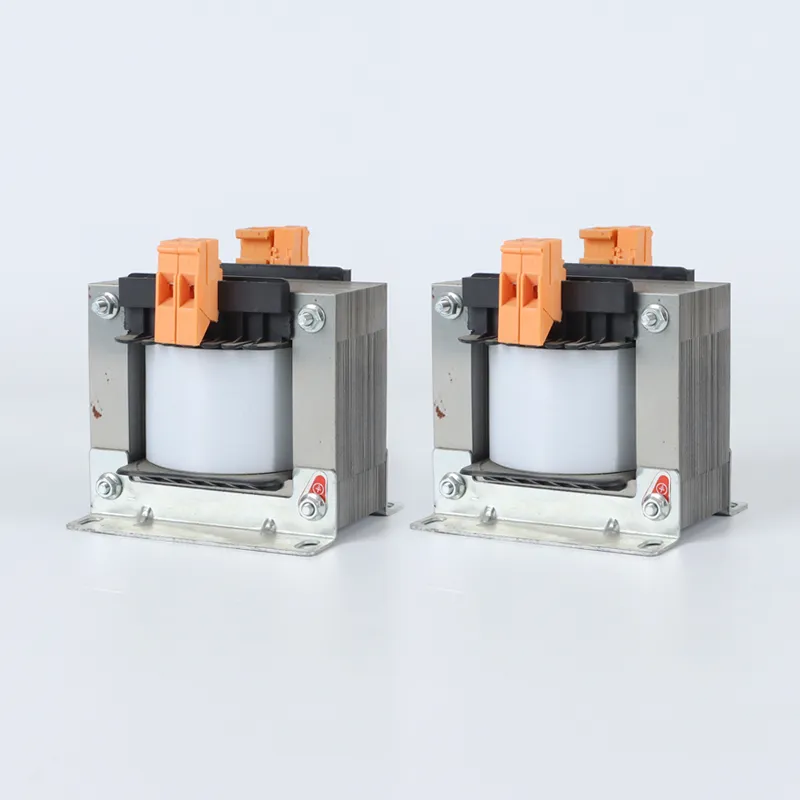
A Niederspannungstransformator Es senkt die hohe Eingangsspannung auf ein sichereres, nutzbares Niveau – in der Regel unter 1.000 Volt. Dadurch wird die Verteilung von elektrischer Energie an Endverbraucher wie Wohngebiete, Werkstätten und kleine Industriebetriebe ermöglicht.
Die Nachfrage nach Niederspannungstransformatoren mit hoher Leistung hat in Industriegebieten rasant an Bedeutung gewonnen, wo sie hohe Lasten effizient bewältigen, ohne die Versorgungssicherheit zu beeinträchtigen. Diese Transformatoren sind unverzichtbare Komponenten in Bereichen wie der Fertigungsindustrie, der Gebäudeautomation, der Klimatechnik und der Verteilung erneuerbarer Energien.
Hochspannungssysteme sind auf Transformatoren angewiesen, um Spannungsunterschiede sicher zu überbrücken. Der Niederspannungsbereich kommt insbesondere dann zum Einsatz, wenn Sicherheit und Präzision oberste Priorität haben.
Warum Niederspannungstransformatoren im Stromnetz eine wichtige Rolle spielen
Stromnetze sind auf Transformatoren verschiedener Typen und Leistungsstufen angewiesen, um den Energiefluss bei den richtigen Spannungswerten aufrechtzuerhalten. Niederspannungstransformatoren Sie bilden den letzten, entscheidenden Schritt im Stromübertragungsprozess – die Umwandlung hoher Übertragungsspannungen in die von den lokalen Netzen benötigten Spannungsstufen.
Da diese Transformatoren auch bei schwankender Last eine konstante Ausgangsleistung gewährleisten, schützen sie die Geräte vor Spannungsschwankungen und verringern das Risiko von Ausfallzeiten.
Ein gut durchdachtes industrieller Niederspannungstransformator stellt sicher, dass:
Stabile Stromverteilung. Die Spannungsstabilität verhindert Überlastungen und elektrische Störungen.
Energieeffizienz. Der Energieverlust bei der Umwandlung wird durch fortschrittliche Kernmaterialien und ein durchdachtes Design minimiert.
Längere Lebensdauer der Ausrüstung. Der Transformator schützt elektrische Anlagen vor Überspannungen und Oberschwingungen.
Einhaltung der Sicherheitsvorschriften. Entspricht den IEC- oder UL-Normen und gewährleistet so die Betriebssicherheit.
Die Rolle von Hochleistungstransformatoren in der Industrie
Die heutigen Branchen sind angewiesen auf Hochleistungs-Niederspannungstransformatoren zum Betrieb energieintensiver Maschinen. Diese Geräte bewältigen größere Lasten und gewährleisten dabei eine hervorragende Spannungsregelung.
Zum Beispiel ein 500-kVA-Niederspannungstransformator kann große Fabrikbereiche, schwere Motoren oder Produktionslinien versorgen, die eine unterbrechungsfreie Stromversorgung benötigen.
Industriesektor
Typische Transformatorleistung
Wichtigster Vorteil
Herstellung
300–800 kVA
Kontinuierlicher Maschinenbetrieb
Bauwesen
100–400 kVA
Stabilität der Stromversorgung am Standort
HLK-Anlagen
50–250 kVA
Sorgt für eine gleichbleibende Kühl- und Heizleistung
Erneuerbare Energie
200–600 kVA
Wandelt erzeugten Strom in nutzbare Spannungspegel um
Bei der Planung von Stromverteilungsnetzen wählen Elektroingenieure häufig Dreiphasen-Niederspannungstransformatoren für eine höhere Effizienz und Lastverteilung.
Trends in den Bereichen Energieeffizienz und Nachhaltigkeit
Energieeffizienz ist kein optionales Extra mehr – sie ist für Unternehmen, die Kosten senken und Umweltvorschriften einhalten wollen, unverzichtbar. Moderne energieeffiziente Niederspannungstransformatoren Kern- und Kupferverluste reduzieren und so sowohl Strom als auch Geld sparen.
Die fortgeschrittenen Modelle verfügen nun über folgende Funktionen:
Amorphe Metallkerne, wodurch Hystereseverluste minimiert werden.
Temperaturüberwachungssysteme die eine Überhitzung verhindern.
Intelligente Vernetzung für die Fernüberwachung und vorausschauende Instandhaltung.
Die Umstellung auf umweltfreundliche Transformatorausführungen unterstreicht das Engagement Ihres Unternehmens für Nachhaltigkeit und steigert gleichzeitig die Rentabilität durch geringeren Energieverbrauch.
Für kundenspezifische, hocheffiziente Niederspannungstransformatoren, die für B2B-Lieferungen geeignet sind, wenden Sie sich bitte an unser Vertriebsteam, um technische Beratung und Rabatte für Großaufträge zu erhalten.
Häufige Anwendungsbereiche von Niederspannungstransformatoren
Niederspannungstransformatoren spielen in zahlreichen modernen Industriezweigen und gewerblichen Bereichen vielfältige und entscheidende Rollen. Sie sind allgemein für ihre Zuverlässigkeit und Flexibilität bekannt und gewährleisten sichere Spannungspegel sowie eine gleichmäßige Stromverteilung überall dort, wo elektrische Systeme Stabilität und Skalierbarkeit erfordern. Diese Transformatoren kommen weit über einfache Beleuchtungs- oder Haushaltsgeräte hinaus zum Einsatz – sie bilden die Grundlage für umfangreiche, komplexe Abläufe in der Fertigung, der Infrastruktur, im Verkehrswesen und bei Nachhaltigkeitsinitiativen.
In Industriegebieten versorgen Niederspannungstransformatoren große Stromversorgungssysteme, wie beispielsweise Elektroöfen für die Metallschmelze, Wärmebehandlungsanlagen, Formverfahren und automatisierte Maschinenlinien. Sie sind fast immer vorhanden in Rechenzentren und sorgen so für eine stabile, saubere Stromversorgung für Server-Racks und Netzwerkgeräte. Rechenzentren erfordern absolute Ausfallsicherheit und eine hohe Belastbarkeit, weshalb energieeffiziente Transformatormodelle für einen unterbrechungsfreien Betrieb unverzichtbar sind.
Niederspannungsgeräte bilden zudem die Grundlage für Anlagen zur Umwandlung erneuerbarer Energien: In Photovoltaikanlagen beispielsweise sind sie mit Wechselrichtern verbunden und sorgen dafür, dass der aus erneuerbaren Energien gewonnene Gleichstrom auf ein für den Netzanschluss oder den Eigenverbrauch geeignetes Niveau umgewandelt wird. Ebenso in Ladestationen für Elektrofahrzeuge sowie Energiespeicherlösungen regeln sie den Stromfluss und schützen empfindliche Elektronik vor Überspannungen oder Oberschwingungen.
In der städtischen Infrastruktur sind Niederspannungstransformatoren zentrale Komponenten von Gebäudeautomationssystemen, die die Klimatechnik, Beleuchtung, Aufzüge und Sicherheitssysteme in intelligenten Gebäuden, Einkaufszentren und Krankenhäusern steuern. Verkehrsnetze wie U-Bahnen oder Metros sind auf diese Transformatoren für die Signalübertragung, Steuerung und die Stromversorgung von Hilfsgeräten angewiesen – sie gewährleisten eine zuverlässige, geräuscharme und stabilisierte Stromversorgung dort, wo Sicherheit oberste Priorität hat. Datenüberwachungs- und Messschränke in Umspannwerken sind auf Präzisionstransformatoren angewiesen, um genaue elektrische Messungen, das Netzmanagement und die automatisierte Steuerung zu gewährleisten.
Auch im privaten und beruflichen Umfeld kommen die Vorteile der Niederspannungstransformatortechnik zum Tragen. Von Bürogeräten und Unterhaltungselektronik bis hin zum Schutz empfindlicher Laborgeräte und medizinischer Geräte gewährleisten diese Transformatoren einen sicheren Betrieb und die Einhaltung internationaler Sicherheitsvorschriften.
Zusammenfassend lässt sich sagen, dass Niederspannungstransformatoren in folgenden Bereichen unverzichtbar geworden sind:
Metallschmelz- und gepulste industrielle Heizsysteme,
Rechenzentren und Telekommunikationsinfrastruktur,
Gebäudeautomation und intelligente Infrastruktur,
Anlagen zur Umwandlung von Solar- und Windenergie,
Ladestationen für Elektrofahrzeuge,
Stadtbahn- und U-Bahn-Netze,
Wissenschaftliche, gewerbliche und medizinische Messgeräte.
Wenn Sie maßgeschneiderte Transformator-Konfigurationen für Ihre individuellen industriellen Anforderungen benötigen, senden Sie uns noch heute Ihre Anforderungen zu und erhalten Sie einen maßgeschneiderten Lösungsvorschlag von unserem erfahrenen Ingenieurteam. Zuverlässige Versorgung, stabile Spannung und Energieeinsparungen sind nur eine Anfrage entfernt.
Auswahl des richtigen Niederspannungstransformators
Die Auswahl des richtigen Transformators hängt von verschiedenen Parametern ab, wie beispielsweise der Nennleistung, der Einsatzumgebung und den einzuhaltenden Normen.
Zu den wichtigsten Überlegungen gehören:
Anforderungen an die Belastung: Passen Sie die Nennleistung an Ihre Gesamtbetriebslast zuzüglich einer Sicherheitsmarge an.
Spannungsverhältnis: Stellen Sie sicher, dass sowohl die Versorgungsspannung als auch die Lastspannung kompatibel sind.
Energieeffizienzklasse: Wählen Sie Modelle, die für hohe Energieeffizienz zertifiziert sind (z. B. DOE Level 2).
Kühlsystem: Luftgekühlte Geräte für den Innenbereich; ölgekühlte Geräte für den Außenbereich oder für den Einsatz unter extremen Bedingungen.
Sicherheitsmerkmale: Überlastschutz, Temperatursensoren und Gehäuse der Schutzart IP54 oder höher.
Parameter
Empfohlene Wahl
Geschäftlicher Nutzen
Nennleistung
100–500 kVA
Unterstützt industrielle Systeme
Effizienz
≥ 95%
Senkt die Betriebskosten
Geräuschpegel
< 60 dB
Für den Innenbereich geeignet
Anhang
IP54 / IP65
Geeignet für feuchte oder staubige Umgebungen
Benötigen Sie eine auf Ihre Branche zugeschnittene Beratung? Übermitteln Sie uns Ihre Leistungsdaten, um noch heute ein individuelles Transformatorangebot von unserem Ingenieurteam zu erhalten.
Bewährte Verfahren für Installation und Wartung
Eine ordnungsgemäße Installation gewährleistet eine lange Lebensdauer des Transformators. Montieren Sie die Geräte stets auf ebenen, vibrationsfreien Flächen und sorgen Sie für eine ausreichende Belüftung.
Zu den Wartungsrichtlinien gehören:
Regelmäßige Prüfung des Isolationswiderstands.
Die Anschlüsse der Klemmen auf Anzeichen von Verschleiß oder Korrosion überprüfen.
Überwachung des Temperaturanstiegs unter Volllastbedingungen.
Luftfilter oder Ölkühlelemente regelmäßig reinigen.
Wenn Sie diese Schritte befolgen, können Sie die Lebensdauer um Jahre verlängern und kostspielige Ausfallzeiten vermeiden.
Sicherheit und Einhaltung von Vorschriften
Niederspannungstransformatoren müssen internationale Sicherheits- und Effizienzstandards wie IEC 60076, UL 1561 oder die CE-Kennzeichnung erfüllen. Die Einhaltung dieser Standards ist unerlässlich, um eine sichere Installation und Nutzung bei internationalen Projekten zu gewährleisten.
Moderne Transformatoren verfügen zudem über einen Kurzschlussschutz, Überlastbegrenzer und eine automatische thermische Abschaltung, um Personal und Anlagen zu schützen.
In der weiten Landschaft der Elektrotechnik ist die Niederspannungstransformator fungiert als stiller Wächter – sorgt für sichere Spannungswerte, einen effizienten Betrieb der Anlagen und einen stabilen Betrieb.
Für die Industrie und gewerbliche Projekte lohnt sich die Investition in leistungsstarke, energieeffiziente Niederspannungstransformatoren gewährleistet zuverlässige Leistung, langfristige Einsparungen und die Einhaltung moderner Standards.
Wenn Ihr Unternehmen nach zuverlässigen Lösungen für die Stromverteilung sucht, ist jetzt der richtige Zeitpunkt, eine Partnerschaft mit einem bewährten Hersteller von Niederspannungstransformatoren. Nehmen Sie noch heute Kontakt mit uns auf, um einen Produktkatalog oder ein auf Ihre betrieblichen Anforderungen zugeschnittenes Angebot anzufordern.
FAQ
u003cstrongu003eWie hoch ist die maximale Leistung eines Niederspannungstransformators?u003c/strongu003e
Die Leistungen reichen je nach Anwendungsbereich von einigen kVA bis zu über 1000 kVA. Modelle mit hoher Leistung kommen häufig in Fabriken und Anlagen zur Erzeugung erneuerbarer Energien zum Einsatz.
u003cstrongu003eWas macht einen Transformator energieeffizient?u003c/strongu003e
Verbesserte Kernmaterialien und eine präzise Wicklung der Spulen reduzieren die Leerlauf- und Kupferverluste und steigern so den Gesamtwirkungsgrad.
u003cstrongu003eKönnen Niederspannungstransformatoren sowohl für Innen- als auch für Außeninstallationen verwendet werden?u003c/strongu003e
Ja. Luftgekühlte Modelle eignen sich für den Einsatz in Innenräumen, während ölgekühlte oder gekapselte Geräte im Außenbereich gute Leistungen erbringen.
u003cstrongu003eWie oft sollte ich meinen Transformator warten?u003c/strongu003e
Führen Sie je nach Belastung und Umgebungsbedingungen alle 6–12 Monate Inspektionen durch. Vorbeugende Wartung gewährleistet eine lange Lebensdauer.
u003cstrongu003eWo kann ich hochwertige Niederspannungstransformatoren kaufen?u003c/strongu003e
Für maßgeschneiderte, hocheffiziente Niederspannungstransformatoren, die für die B2B-Belieferung geeignet sind, u003cstrongu003ewenden Sie sich bitte an unser Vertriebsteamu003c/strongu003e, um technische Beratung und Mengenrabatte zu erhalten.
Wenn Sie maßgeschneiderte, hocheffiziente Niederspannungstransformatoren für den B2B-Bereich benötigen, wenden Sie sich bitte an unser Vertriebsteam, um technische Beratung zu erhalten und Rabatte für Großbestellungen zu erhalten.
A practical guide to grounding the secondary of small dry-type step-up and step-down transformers — which conductor to bond, how to verify it, and mistakes to avoid.
A practical guide to transformer turns ratio testing on low voltage units - the applied-voltage method with a variac, tolerance limits, tap checks, and when to call for a ratio tester.
A practical guide to measuring the DC resistance of transformer windings and motor coils, covering four-wire setup, test current selection, temperature correction and pass/fail limits.