Güç Transformatörü Üreticileri: Satın Almadan Önce Bilmeniz Gereken Her Şey
Yayın tarihi: Yazar: Lisa
Bir güç transformatörü üreticileri herhangi bir gerilim dönüştürme projesinde, tedarik veya mühendislik ekibinin aldığı en önemli kararlardan biridir. Ünite, farklı tedarikçilerin teknik özellik belgelerinde birbirine benzer görünebilir; ancak çekirdeğin arkasındaki mühendislik, sargı süreci, kalite sistemi ve satış sonrası destek büyük ölçüde farklılık gösterebilir. Bu satın alma rehberi güç transformatörünün ne olduğunu, üreticileri nasıl karşılaştıracağınızı ve sipariş vermeden önce hangi soruları sormanız gerektiğini açıklıyor.
Metin boyunca, kendi ürün yelpazemizden gerçek transformatörleri örnek olarak kullanıyoruz — bunlara şunlar da dahildir: DT-5000VA yükseltici ve düşürücü transformatör Dünya çapındaki OEM müşterilerine sevkiyat yapıyoruz. Ayrıca, ürün yelpazemizin tamamını Transformers kategori.
Güç transformatörü nedir ve üretici neden önemlidir?
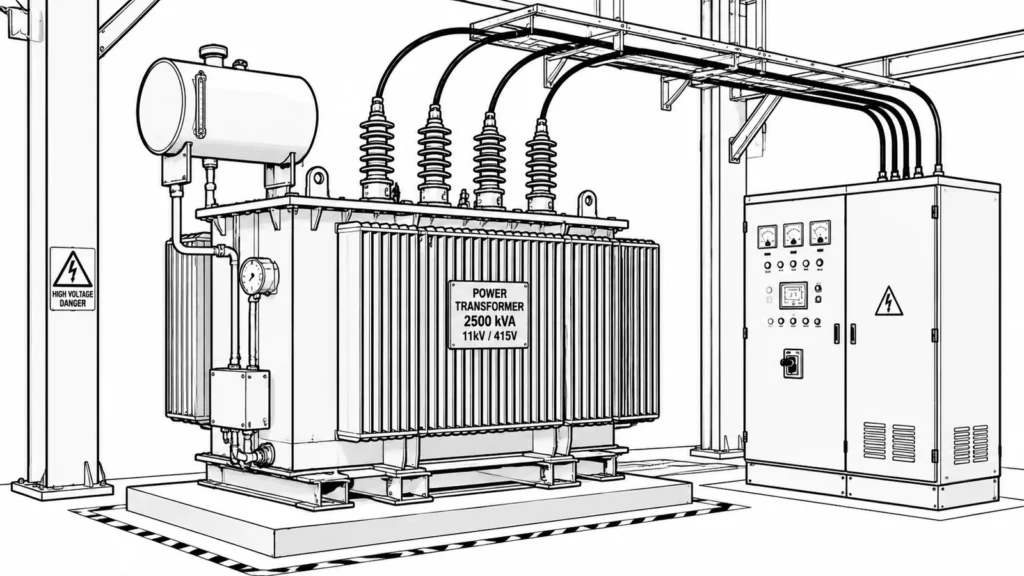
Güç transformatörü, frekansı sabit tutarken devreler arasında alternatif akım gerilimini yükselten veya düşüren statik bir elektrikli cihazdır. Daha küçük dağıtım veya kontrol transformatörleriyle karşılaştırıldığında, güç transformatörlerinin nominal gücü genellikle birkaç kVA'dan birkaç MVA'ya kadar değişir ve önemli miktarda enerjinin bir gerilim seviyesinden diğerine aktarılması gereken her yerde kullanılır — fabrikalar, veri merkezleri, hastaneler, elektrik dağıtım şalt sahaları, büyük ticari binalar ve farklı şebeke standardına sahip bir bölgeden ithal edilen makinelerin giriş aşamaları.
Üretici önemlidir çünkü transformatör uzun ömürlü bir varlıktır. İyi bir ünite, periyodik denetimlerle 20 yıldan fazla çalışabilir. Kalitesiz bir ünite ise ilk ayda istenmeyen devre kesintilerine yol açabilir ve yıllar sonra bir arıza olarak ortaya çıkan, fark edilmeyen yalıtım hasarlarına neden olabilir. Bu farkın büyük kısmı fabrikada belirlenir: çekirdek çeliğinin kalitesi, sargı yalıtımı, vernik emdirme kalitesi, sıcaklık artışı değerlerinin doğruluğu ve tip test raporlarının sevk edilen üniteyle gerçekten uyuşup uyuşmadığı. Bir transformatör üreticisi seçmek, sadece bir parça tedarikçisi değil, uzun vadeli bir mühendislik ortağı seçmektir.
Üreticileri Karşılaştırırken Karşılaşacağınız Yaygın Güç Transformatör Türleri
Çoğu katalogda sınırlar belirsizdir, ancak işlevsel kategoriler nettir. Bir üreticinin ürün sayfasını incelerken bunları ilk filtre olarak kullanın.
Tip
Tipik Kullanım
Neler Kontrol Edilmeli
Yükseltici / alçaltıcı (dönüştürücü)
Cihazın farklı şebeke gerilimlerine uyarlanması (110 V ↔ 220 V ↔ 240 V)
VA derecesi ile gerçek yükünüz, musluk konfigürasyonu ve dalgalanma direnci karşılaştırması
İzolasyon transformatörü
Gürültü veya güvenlik amacıyla besleme ile yük arasındaki galvanik izolasyon
Ekranlama, kaçak akım, dielektrik test raporları
Otomatik transformatör (variac)
Test veya motor hızı kontrolü için ayarlanabilir çıkış gerilimi
Fırça aşınması, ayar hassasiyeti, açık ve kapalı terminaller
Toroidal transformatör
Düşük gürültülü, düşük sızıntı alanlı uygulamalar (ses, tıp, ölçüm cihazları)
Ana tedarikçi, montaj donanımı, nominal yükte gürültü seviyesi
Bir Güç Transformatörü Üreticisini Nasıl Değerlendirirsiniz (8 Maddelik Kontrol Listesi)
Her adayı aynı listeye göre değerlendirin. Net bir şekilde cevap veremedikleri herhangi bir madde bir işaret niteliğindedir — bu mutlaka bir engel anlamına gelmez, ancak her zaman daha ayrıntılı bir inceleme gerektirir.
Mühendislik yetkinliği. Kendi çekirdeklerini ve sargılarını mı tasarlıyorlar, yoksa sadece satın aldıkları parçaları mı birleştiriyorlar? Silikon çeliği ve sargı telini kimin tedarik ettiğini ve şirket içi test kapasitelerinin ne durumda olduğunu sorun.
Üretim süresi. Standart katalog ürünleri 1–2 hafta içinde sevk edilmelidir. Özel özellikli ürünlerin teslim süresi önceden belirtilmelidir (küçük partiler için genellikle 3–6 hafta).
Kalite sistemi. ISO 9001 bir asgari standarttır, bir üst sınır değildir. Sertifikanın bir kopyasını isteyin ve geçerliliğini doğrulayın.
Tip testi raporları. Ciddi bir üretici, satın aldığınız ürün grubuna ait boşta kayıp, yük kayıpları, empedans-gerilim ve sıcaklık artışı eğrilerini ve kısa devre dayanıklılık sonuçlarını paylaşır.
Garanti koşulları. En az 12 ay olmalıdır. Neyin kusur, neyin yanlış kullanım olarak kabul edildiğine dair açık bir ifade olup olmadığına dikkat edin.
Örnek politika. Saygın tedarikçiler, tam üretim sürecine geçmeden önce, uygunluk değerlendirmesi için 1–2 adetlik bir numune gönderir. Bunun reddedilmesi, bir uyarı işaretidir.
Yedek parça ve servis desteği. 5–10 yıl sonra da modeliniz için yedek parça ve yetkili servis hizmeti sunulacak mı?
Pazarınızdaki referanslar. Sizin sektörünüze benzer bir sektörde aynı transformatör serisini kullanan iki veya üç müşteri ismi isteyin.
Güç Transformatörü Üreticisinden Satın Alırken Dikkat Edilmesi Gereken Uyarı İşaretleri
Satıcı, her rakibin fiyatından 30% veya daha fazla daha düşük bir fiyat teklif ediyor. Güvenilirliğin bir bedeli vardır.
Çelik ve bakırın nereden geldiğini bilmiyorlar — ya da açıklamak istemiyorlar.
Yayınlanmış verimlilik rakamları bulunmamaktadır ya da bu boyuta göre alışılmadık derecede yüksek görünen verimlilik rakamları yoktur.
Belgeler ancak talep ettiğinizde elinize geçer. İyi bir üretici, teknik veri sayfasını size baştan verir.
Kurulum, havalandırma ve güç azaltma konusunda net bir kılavuz bulunmamaktadır. Transformatörler ısıya duyarlıdır ve kapalı dolaplarda güçleri önemli ölçüde düşer.
Aynı model numarasına sahip ürünlerin, farklı üretim serilerinde teknik özellikleri birbirinden çok farklıdır. Bu durum, fazlalık çekirdekleri satın aldıklarını akla getiriyor.
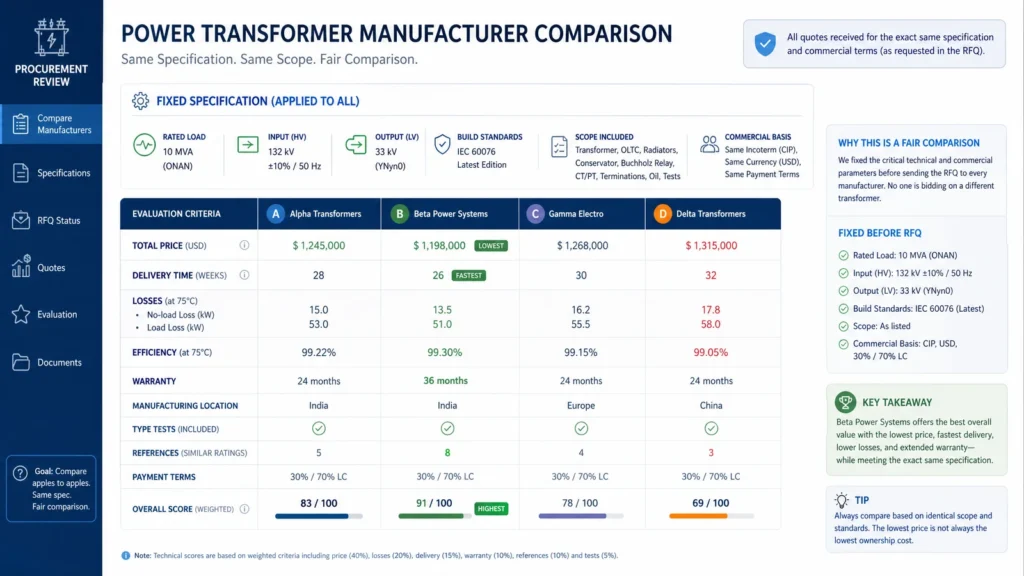
Fiyat Teklifi Nasıl İstenir ve Fiyatlar Nasıl Adil Bir Şekilde Karşılaştırılır?
Aynı tür şeyleri karşılaştırabilmek için, ilk e-postayı yazmadan önce şu üç hususu halledin:
Tam yük. Sürekli VA değeri, tepe akım ve ünitenin çalışacağı en kötü durum ortam sıcaklığı.
Giriş ve çıkış gerilimleri. Tek fazlı veya üç fazlı, nominal frekans ve her türlü kademe gereksinimi.
İnşaat standartları. UL, CE, IEC veya müşterinizin talep ettiği belirli son pazar düzenlemeleri.
Her adaya aynı şartnameyi gönderin ve her birinden şu bilgileri isteyin: birim fiyat, minimum sipariş miktarı (MOQ), teslim süresi, ödeme koşulları, garanti ve özel teknik özellikler için kalıp maliyetleri. Her seferinde bu altı kriteri temel alarak değerlendirme yapın; böylece tedarikçi seçimi konusunda kurum içinde kararınızı savunmak çok daha kolay hale gelir.
Beklemeniz Gereken Sektör Standartları, Sertifikalar ve Garanti
Güvenilir bir güç transformatörü üreticisi, ilgili ürün grubu için geçerli olan IEC veya IEEE standartlarına uygun olarak çalışır — genellikle IEC 60076 güç transformatörleri için ve IEEE C57 Kuzey Amerika’daki dağıtım için. Bunlar, ISO 9001 kalite sistemi için ve pazara bağlı olarak ISO 14001 ve ISO 45001. johsuntech.com’un hizmet verdiği, ihracat ağırlıklı B2B pazarı için pratikteki asgari şart, belgelenmiş tip testlerine sahip ve aynı grafikte rakiplerle karşılaştırabileceğiniz şekilde yayınlanmış bir verimlilik değerine sahip, CE uyumlu bir üründür.
Uygulamanıza Uygun Doğru Güç Transformatörünü Seçme
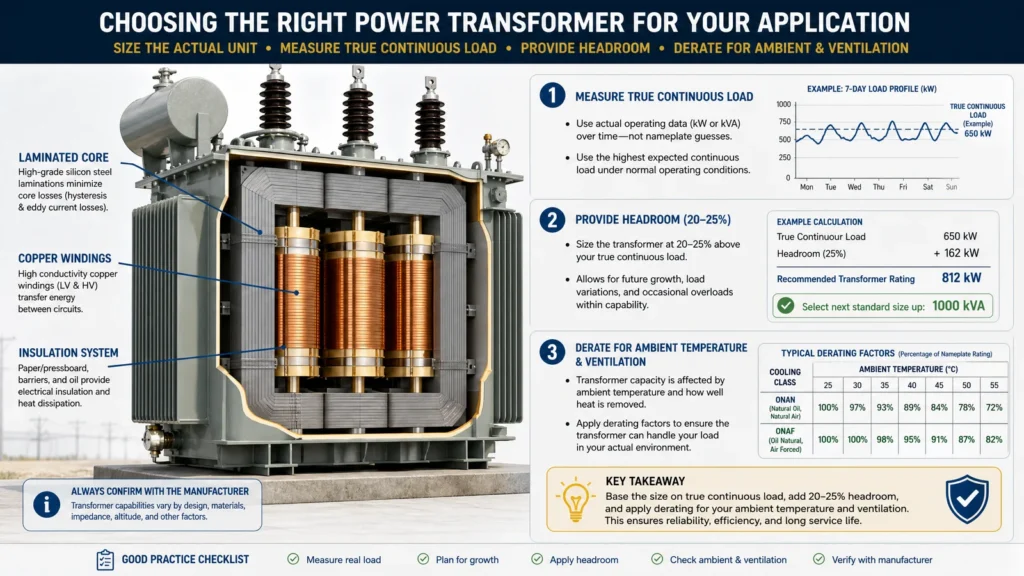
Üretici değerlendirmeyi geçtikten sonra, gerçek ünitenin boyutlandırılması birkaç mühendislik adımına indirgenir. İlk olarak, gerçek sürekli yükünüzü VA cinsinden ölçün ve ani akım yükü için 20–25% marj ekleyin — motorlar, kaynak makineleri ve büyük bir kondansatör bankasına sahip herhangi bir DC besleme kaynağı, açılış anında çalışma akımının birkaç katını çekecektir. İkinci olarak, ortam sıcaklığı ve havalandırma nedeniyle kapasiteyi düşürün: aktif soğutma olmadan, sızdırmaz bir kabine monte edilmiş bir transformatör, 40 °C'nin üzerindeki her °C için nominal kapasitesinin yaklaşık yarısını kaybeder. Üçüncü olarak, gerçek durumunuza uygun bir konfigürasyon seçin — tek fazlı bir ünite, üç fazlı bir sorunu çözmez.
Kendi kataloğumuz, bu ürün ailesindeki yaygın güç değerlerini kapsamaktadır. 1 kVA’lık endüstriyel şebeke uygulamaları için, DT-1000VA modeli bu, bir başlangıç noktasıdır. Orta boy OEM makineleri veya HVAC sistemlerinin yenilenmesi söz konusu olduğunda, genellikle şunlara bakmanız gerekecektir: DT-3000VA transformatör. Daha ağır üretim hatları için, DT-10000VA modeli paketleyicilere ve panel üreticilerine düzenli olarak sevk edilen ürün serisidir.
Sonuç
Bir güç transformatörü üreticisi, tek seferlik bir satıcı değil, uzun vadeli bir iş ortağıdır. Doğru seçim, mühendislik uzmanlığını doğrulayabileceğiniz, satın almadan önce belgelerini inceleyebileceğiniz ve yıllar sonra bile hizmetine ulaşabileceğiniz üreticidir. Yukarıdaki 8 maddelik kontrol listesini kullanarak adayları eleyin, her tedarikçiye aynı teknik şartnameyi gönderin ve tip testi verilerinin ve garanti koşullarının konuşması için sözü onlara bırakın. Bir üniteyi belirlemeye hazır olduğunuzda, johsuntech.com ailesi, çoğu B2B alıcısının gerçekte ihtiyaç duyduğu değerleri kapsar — DT-5000VA yükseltici ve düşürücü transformatör OEM entegrasyonundan daha büyük ölçekli endüstriyel kurulumlara kadar.
Güç Transformatörü Üreticileriyle İlgili Sık Sorulan Sorular
Bir güç transformatörü üreticisi aslında ne yapar?
Manyetik devreyi tasarlarlar, bobinleri sararlar, yalıtım amacıyla montaj parçasını vakumla emprenye eder veya verniklerler, muhafazayı ve bağlantı uçlarını takarlar ve sevkiyat öncesinde her bir üniteyi boşta ve yük altında testlerden geçirirler. Birçoğu ayrıca standart dışı gerilimler veya özel ortamlar için bobin sargılarını özelleştirir.
Bir güç transformatörünün ömrü ne kadardır?
Doğru şekilde seçilmiş ve havalandırılmış bir güç transformatörü genellikle 20 ila 30 yıl dayanır. Yaşlanmanın ilk belirtileri genellikle boşta akımda bir artış ve aynı yük altında çalışma sıcaklığında hafif bir yükseliştir.
Bir güç transformatörü üreticisinden satın alırken makul bir minimum sipariş miktarı nedir?
Standart katalog özellikleri için, uygunluk testi amacıyla 1 adetlik numune siparişi ve OEM tedariki için 10 adetlik üretim minimum sipariş miktarı (MOQ) öngörülmelidir. Özel gerilim çıkışları veya standart dışı muhafazalar için ise 50 ila 100 adetlik minimum sipariş miktarı (MOQ) ve tek seferlik kalıp ücreti uygulanır.
Bir güç transformatörü üreticisi, teknik özellikleri müşterinin isteğine göre uyarlayabilir mi?
Evet — ciddi bir tedarikçi için bu, işin özüdür. Özel birincil ve ikincil gerilimler, özel çıkma noktaları, sıra dışı muhafaza sınıflandırmaları ve özel konektör düzenleri, hepsi standart mühendislik talepleridir. İlk parti için teslim süresi genellikle 3–6 haftadır.
Bir güç transformatörü üreticisinin saygın olup olmadığını nasıl anlarım?
Yayınlanmış verimlilik eğrileri, gerçek tip test raporları, ISO 9001 sertifikası, numune teminine elverişli bir satış süreci ve hizmet verdiğiniz pazardaki alıcılardan referanslar olup olmadığına bakın. Gerçek bir mühendislik sohbetine dönüşen bir telefon görüşmesi, en güçlü işarettir.
Güç transformatörüm için CE veya UL işareti gerekli mi?
Bu, tamamen ekipmanın nereye kurulacağına ve nerede satılacağına bağlıdır. Avrupa Ekonomik Alanı için CE sertifikası zorunludur; Kuzey Amerika’da yaygın olarak kullanılan sertifika UL’dir ve birçok pazarda, yerel tescil ile birlikte sunulan IEC 60076 test raporları kabul edilmektedir.
Güç Transformatörü Üreticilerinden Tedarik İçin Önerilen Modeller
Teoriyi okumak yerine bir ünite seçmek istiyorsanız, buradan başlayın. Bu modeller, güç transformatörü üreticilerinden tedarik edilmek üzere en sık talep edilen kapasite aralıklarını kapsamaktadır ve her birinin teknik özelliklerine ve fiyat aralığına doğrudan bağlantı bulunmaktadır.
İhtiyacınız olan giriş gerilimini, çıkış gerilimini, fazı ve sürekli kVA değerini bize bildirirseniz, bir iş günü içinde size uygun modeli, fiyatı ve teslim süresini teyit edeceğiz. Standart dışı değerler ise şu şekilde ele alınır: OEM/ODM özel transformatör üretimi.
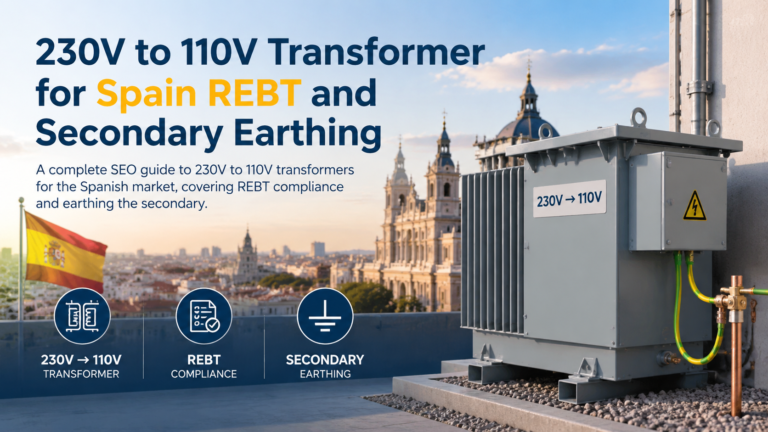
İspanya için 230 V - 110 V transformatör: REBT uyumluluğu, ITC-BT-18 ve ITC-BT-24 standartları, ikincil devrenin topraklanması ve UNE-EN IEC 61558 belgeleri.
Hollanda için 230 V - 110 V transformatör: NEN 1010, 30 mA kaçak akım kuralları, kaçak akım anahtarı ile otomatik kaçak akım şalteri arasındaki fark ve ikincil topraklama.