Düşük Güçlü Uygulamalar için 100VA Transformatör: Özellikleri, Avantajları ve Kullanım Alanları
Yayın tarihi: Yazar: Lisa
100VA transformatör, düşük güçlü elektrikli ekipmanlarda en yaygın olarak kullanılan değerlerden biridir; ancak bu transformatörün özellikleri genellikle yanlış anlaşılmaktadır. Basitçe ifade etmek gerekirse, bir 100 VA transformatör 100 volt-amper görünür güç değerine sahip kompakt bir ünitedir ve kontrol devreleri, alçak gerilim aydınlatma sistemleri, küçük ev aletleri ile 110V ve 220V sistemleri arasındaki seyahat gerilim dönüştürme işlemlerinin arkasındaki temel bileşendir. Bu kılavuzda, 100VA transformatörün ne olduğu, önemli özellikleri ve avantajları, nerede kullanıldığı ve doğru transformatörün nasıl seçileceği açıklanmaktadır. yükseltici ve düşürücü transformatör işiniz için.
100VA Transformatör Nedir?
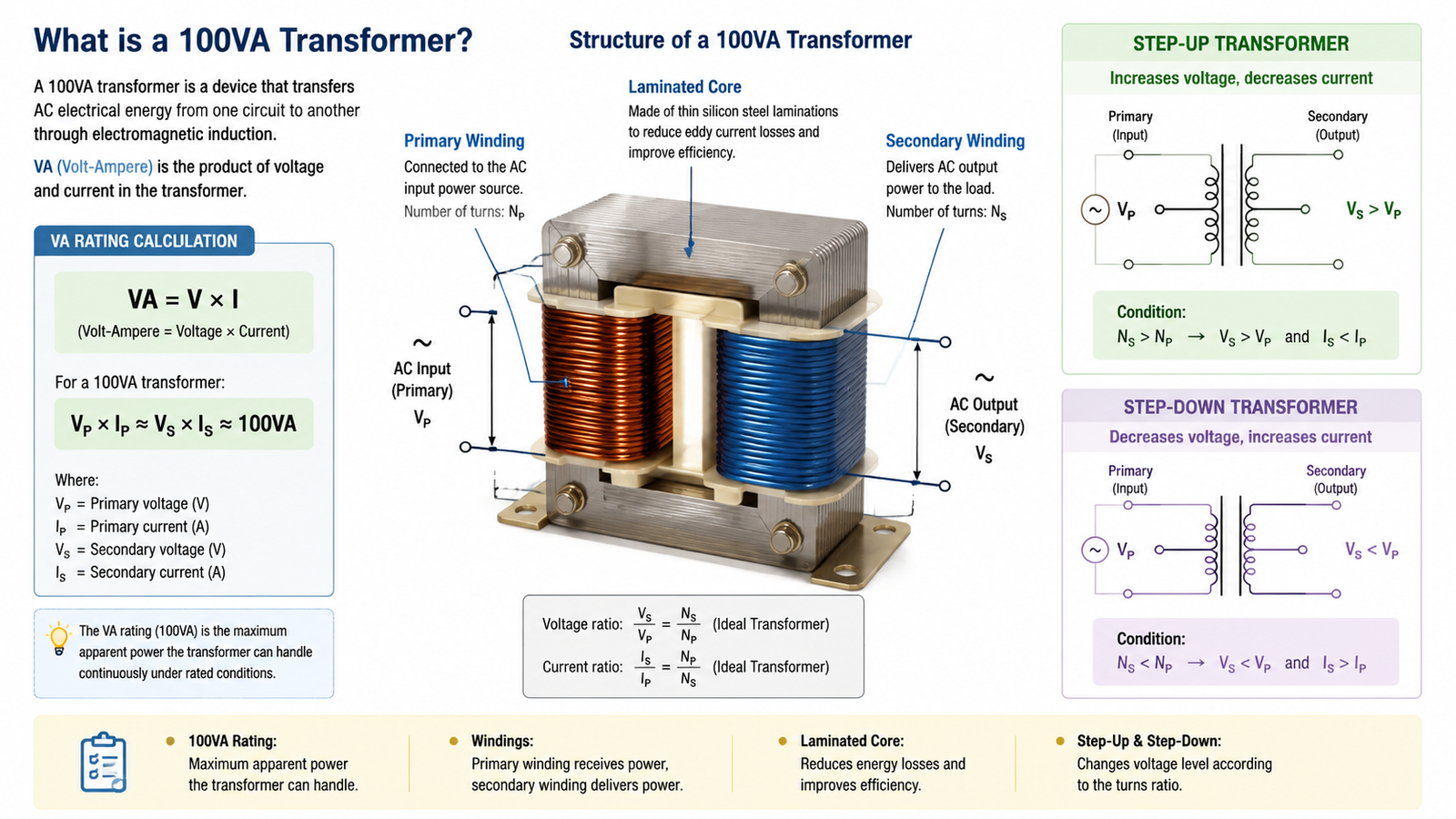
100 VA’lık bir transformatör, alternatif akım gerilimini bir seviyeden diğerine dönüştürürken, 100 volt-amper’e kadar görünür güç sağlar. VA, gerilim ile akımın çarpımı (V × A) olarak hesaplanır; bu da, aynı 100 VA değerinin çıkış gerilimine bağlı olarak farklı akımlar sağlayabileceği anlamına gelir:
12 V çıkışta: yaklaşık 8,3 A’ya kadar
24 V çıkışta: yaklaşık 4,2 A’ya kadar
110 V çıkışta: yaklaşık 0,9 A’ya kadar
220 V çıkışta: yaklaşık 0,45 A’ya kadar
VA görünür güç olduğu için, yük güç faktörü düşük olan bir transformatör, yüküne VA değerinin gösterdiği miktardan daha az gerçek güç (watt) sağlar. Isıtıcılar ve akkor lambalar gibi dirençli yükler için VA ve watt değerleri neredeyse eşittir; motorlar ve solenoidler gibi endüktif yükler için ise gerçek watt değerini 100VA'nın oldukça altında tutmalısınız. Ünite, lamine bir çekirdeğin etrafında bir birincil sargı ve bir ikincil sargı içerir ve gerilimi düşürmek, yükseltmek veya bir devreyi diğerinden izole etmek amacıyla kablolanabilir.
100VA’lık Bir Transformatörün Temel Özellikleri
Bu serideki küçük güç transformatörleri, sürekli çalışmada güvenilirlik sağlayacak şekilde üretilmiştir. En önemli özellikleri şunlardır:
Kompakt boyut – Kontrol panellerinin, ekipman muhafazalarının veya seyahat dönüştürücülerinin içine monte edilebilecek kadar küçüktür ve böylece değerli yerden tasarruf sağlar.
Yüksek verimlilik – Yüksek kaliteli silikon çelik çekirdekler ve sıkı sarımlı bakır veya alüminyum sargılar, kısmi yükte kayıpları ve ısınmayı düşük tutar.
Galvanik izolasyon – Birincil ve ikincil sargılar elektriksel olarak birbirinden ayrılmıştır; bu sayede hassas yükler, şebeke tarafındaki arızalardan ve parazitten korunur.
Aşırı yük ve termal koruma – Birçok ünitede, aşırı akım durumunda güvenli bir şekilde devreyi kesmek üzere termal sigortalar veya devre koruma mekanizmaları bulunmaktadır.
Çift voltaj esnekliği – Yaygın olarak kullanılan 100VA modeller, 110V/220V birincil çıkışlar veya birden fazla ikincil çıkış (12V, 24V, 110V, 220V) sunar; bu sayede tek bir ünite farklı bölgelerde kullanılabilir.
Düşük gürültü seviyesi ve az bakım gerektirir – Hareketli parçası bulunmayan, doğru boyutta bir ünite sessiz çalışır ve ara sıra yapılacak bir kontrol dışında pek bir bakım gerektirmez.
Bu özellikler, 100VA sınıfını minik sinyal transformatörleri ile hantal, yüksek güçlü üniteler arasında pratik bir orta yol haline getirir.
100VA’lık Bir Transformatör Seçmenin Avantajları
Mühendisler ve satın alma sorumluları için 100VA değer, maliyet, boyut ve performans arasında bir denge sağlar. Başlıca avantajları şunlardır:
Maliyet etkinliği – Daha büyük transformatörlere kıyasla daha düşük malzeme ve nakliye maliyetleri; yük gerçekten az olduğunda kapasite israfı yaşanmaz.
Güvenilirlik – Doğru şekilde tasarlanmış bir ünite, yıllarca düşük sıcaklıkta ve istikrarlı bir şekilde çalışır; bu da endüstriyel kontrol panelleri ve sürekli çalışan ekipmanlar açısından büyük önem taşır.
Çok Yönlülük – Bir transformatör, gerilim çıkışlarına bağlı olarak bir kontrol devresine, gösterge lambalarına, bir kapı zilini veya küçük bir elektrikli cihaza güç sağlayabilir.
Güvenlik – İzolasyon ve düşük ikincil gerilimler (12 V veya 24 V), operatörler ve bakım personeli için elektrik çarpması riskini azaltır.
Kolay entegrasyon – Standart montaj boyutları ve terminal yerleşimleri, panel tasarımını ve değiştirme işlemlerini kolaylaştırır.
100VA Transformatörlerin Yaygın Kullanım Alanları
Pratikte 100VA’lık bir transformatörü nereden bulabilirsiniz? Tipik düşük güç uygulamaları arasında şunlar yer alır:
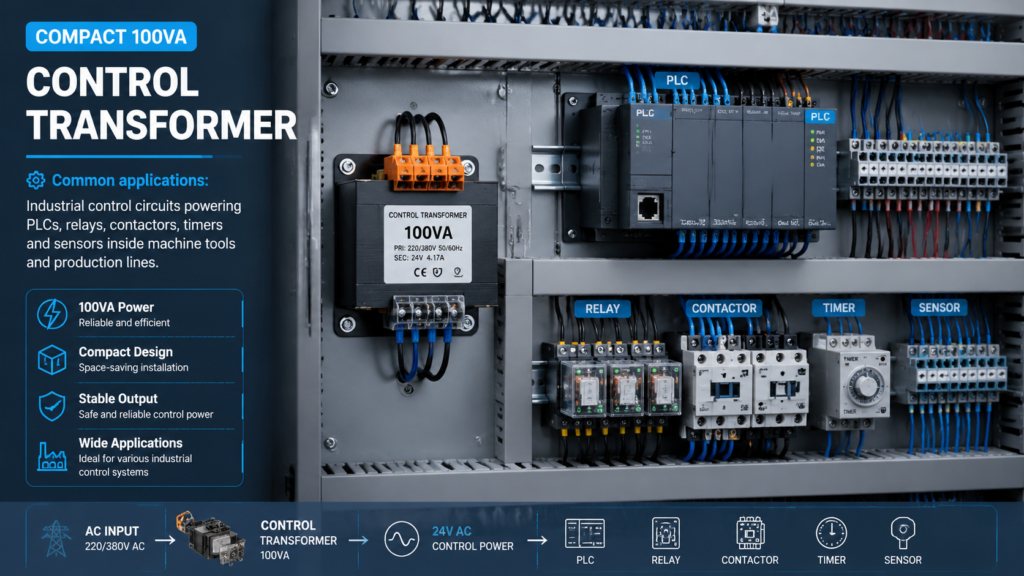
Endüstriyel kontrol devreleri – Takım tezgahları ve üretim hatları içindeki PLC’lere, rölelere, kontaktörlere, zamanlayıcılara ve sensörlere güç sağlamak. Bu kontrol uygulamaları için üreticiler genellikle aşağıdakiler gibi özel birimler kullanır: JBK3 Serisi endüstriyel kontrol transformatörleri .
Alçak gerilim aydınlatma – Çalışma lambaları ve dolap aydınlatması dahil olmak üzere 12V veya 24V LED ve halojen aydınlatma sistemlerinin temini.
Tüketici elektroniği ve küçük ev aletleri – Kapı zilleri, güvenlik sistemleri, şarj cihazları ve daha düşük voltajlı beslemeye ihtiyaç duyan diğer düşük güç tüketimli cihazlar.
Telekomünikasyon ve ağ iletişimi – Hub’lara, yönlendiricilere ve küçük iletişim ekipmanlarına standartlara uygun düşük gerilim gücü sağlamak.
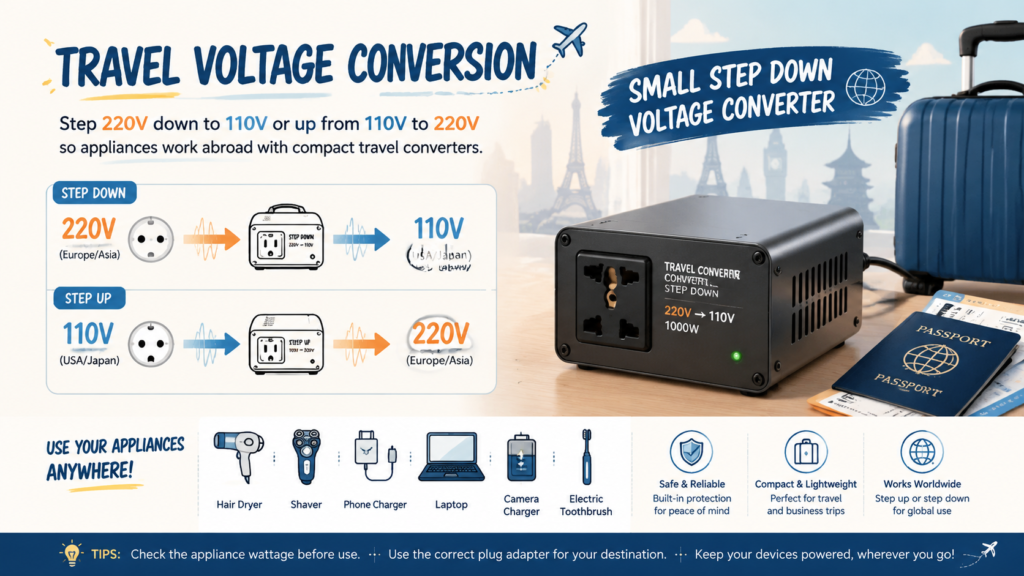
Seyahat sırasında voltaj dönüştürme – 220 V’u 110 V’a düşürmek (ya da 110 V’u 220 V’a yükseltmek) suretiyle ev aletlerinin yurtdışında çalışmasını sağlamak. Şu gibi kompakt dönüştürücü modelleri: DT/ST Serisi seyahat voltaj dönüştürücüler (100VA–1500VA) tam da bu amaçla tasarlanmıştır.
Güneş enerjisi ve invertör sistemlerinde yardımcı güç – Yenilenebilir enerji ekipmanlarındaki kontrol panoları, ekranlar ve bekleme devrelerine güç beslemesi.
100 VA Transformatör ve Diğer Seçenekler
100 VA’lık bir ünite seçmek, ancak yük bu değerle uyumlu olduğunda mantıklıdır. Aşağıdaki tabloda bu ünite, yaygın olarak kullanılan alternatiflerle karşılaştırılmıştır:
Kriterler
100 VA Transformatör
500 VA Transformatör
Ototransformatör
Anahtarlamalı Güç Kaynağı (SMPS)
Güç kapasitesi
En fazla 100 VA
500 VA’ya kadar
Boyuta bağlıdır
Çok küçük birimler mevcuttur
Boyut ve ağırlık
Kompakt
Daha büyük ve daha ağır
Eşdeğer yalıtım tipine göre daha hafiftir
Oldukça kompakt ve hafif
Galvanik izolasyon
Evet
Evet
Hayır
Tasarıma bağlıdır
Tipik verimlilik
80–90%
80–90%
90–95%
85–95%
Gürültü ve EMI
Düşük
Düşük
Düşük
Elektromanyetik parazit (EMI) oluşturabilir
En uygun olduğu durumlar
Kontrol devreleri, aydınlatma, küçük yükler
Daha ağır yükler ve yüksek başlangıç akımı
En küçük boyutla gerilim düzeltmesi
Kompakt elektronik cihazlar, DC çıkışı
Ekipmanınızın makul seviyelerde temiz ve yalıtılmış alternatif akım gücüne ihtiyacı varsa, 100VA’lık bir transformatör genellikle en basit ve en sağlam seçenektir. Daha geniş bir aralıkta daha fazla kapasiteye ihtiyaç duyduğunuzda, örneğin TC/THG Serisi toroidal transformatörler (100VA–10KVA) teknolojiyi değiştirmeden ölçeğinizi genişletmenize olanak tanır.
Doğru 100VA Transformatör Nasıl Seçilir?
Aşağıdaki hususları gözden geçirirseniz, doğru 100VA modelini seçmek oldukça kolaydır:
Giriş ve çıkış gerilimlerini eşleştirin. Şebeke gerilimini (örneğin 110 V veya 220 V) ve yükünüzün gerektirdiği gerilimi, çift gerilim kullanımı için varsa ayar kademeleri de dahil olmak üzere, doğrulayın.
Frekansı kontrol edin. Çoğu cihaz 50/60 Hz’yi destekler, ancak bunun bulunduğunuz bölgedeki elektrik şebekesiyle uyumlu olup olmadığını kontrol edin.
80% yük kuralını uygulayın. Transformatörün boyutunu, sürekli yükün nominal değerinin yaklaşık 80%’sini (100VA’lık bir ünite için 80VA) aşmayacak şekilde belirleyin. Bu, ani akım ve ısı için bir marj bırakır.
Başlangıç akımını dikkate alın. Kontaktörler, röleler ve solenoidler, enerji verildiğinde tutma akımının birkaç katı kadar akım çekerler. Kontrol yükünüzün ani akım yükü yüksekse, biraz daha yüksek bir değer seçin.
Muhafaza ve koruma türünü belirleyin. Panele monte edilen açık tip üniteler korumalı bir muhafazaya ihtiyaç duyar; kapalı tip modeller ise daha zorlu ortamlar için uygundur.
Sertifikaları kontrol edin. Tanınmış güvenlik işaretlerini kontrol edin ve yalıtım sınıfının çalışma ortamınıza uygun olduğunu doğrulayın.
100 VA’lık Bir Transformatör için Boyutlandırma Örnekleri
100 VA’nın yükünüze uygun olup olmadığını görmek için, her bir cihazın VA değerini tahmin edin ve bunları toplayın:
Yük
Tipik VA Çekilişi
100 VA'lık bir üniteye uyar mı?
Birkaç G/Ç modülüne sahip PLC
15–40 VA
Evet
İki kontaktör + gösterge lambaları
10–25 VA
Evet
LED aydınlatma şeridi (12 V), 3 m
18–30 VA
Evet
Küçük pompa veya fan motoru
60–90 VA
Sınır değer – 150–300 VA aralığını göz önünde bulundurun
1 kW’lık cihaz (örn. saç kurutma makinesi)
≈1000 VA
Hayır – 1000VA ve üzeri bir ünite gereklidir
100 VA’lık bir transformatör, kilovat cinsinden nominal güce sahip bir güç dönüştürücünün yerini tutmaz. Yaklaşık 100 W’ın üzerindeki cihazlar için, küçük bir üniteyi aşırı yüklemek yerine daha yüksek nominal güce sahip bir modele geçin.
Güvenlik ve Kurulum İpuçları
Birincil tarafı kısa devre yapın. Doğru boyutlarda bir sigorta veya devre kesici, hem transformatörü hem de bağlı yükü kısa devrelere karşı korur.
İyi havalandırın. Üniteyi ısı kaynaklarından uzakta monte edin ve hava akışı için yeterli boşluk bırakın; aşırı ısınma, yalıtımın eskimesini hızlandırır.
Asla sürekli olarak aşırı yüklemeyin. VA değerinin üzerinde uzun süreli çalışma, sıcaklığı artırır ve hizmet ömrünü kısaltır.
Kablolamayı dikkatli bir şekilde yapın. Herhangi bir bakım işlemi yapmadan önce terminal işaretlerine uyun, bağlantıları sıkın ve güç kaynağını kesin.
Periyodik olarak kontrol edin. Endüstriyel ortamlarda renk değişikliği, gevşek terminaller veya olağandışı uğultu olup olmadığını kontrol edin.
Sonuç
100VA’lık bir transformatör, kontrol devrelerine, alçak gerilim aydınlatmasına ve düşük güçlü cihazlara güç sağlamak için küçük, verimli ve güvenli bir çözümdür; özellikle 110V–220V arası gerilim dönüştürmede oldukça kullanışlıdır. Önemli olan, ünitenin nominal değerinin yaklaşık 80%'si veya altında çalışması için gerilim, frekans ve yükün birbiriyle uyumlu olmasıdır. Güvenilir bir düşük güç transformatörüne veya kompakt bir yükseltici/düşürücü dönüştürücüye ihtiyacınız olduğunda, Johsun’da eksiksiz transformatör yelpazesi ya da giriş ve çıkış gerilimlerinizi bize bildirirseniz, doğru modeli seçmenize yardımcı oluruz.
Sık Sorulan Sorular
Bir transformatörde 100VA ne anlama gelir?
100 VA, gerilim × akım olarak hesaplanan görünür güç değeridir. Bu değer, transformatörün aşırı ısınmadan sürekli olarak sağlayabileceği maksimum yükü gösterir.
100VA’lık bir ünite gerilimi yükseltebilir ve düşürebilir mi?
Evet. Sargı oranı, ihtiyacınız olan giriş ve çıkış gerilimlerine uyuyorsa, aynı ünite 220 V’u 110 V’a düşürebilir veya 110 V’u 220 V’a yükseltebilir. Kablolamaya başlamadan önce teknik özellikleri kontrol edin.
100 VA'lık bir ünite ne kadar akım sağlayabilir?
Bu, çıkış gerilimine bağlıdır. 12 V’da yaklaşık 8,3 A, 24 V’da yaklaşık 4,2 A, 110 V’da yaklaşık 0,9 A ve 220 V’da yaklaşık 0,45 A akım sağlar.
100VA'lık bir ünitede 1000W'lık bir cihazı çalıştırabilir miyim?
Hayır. 1000 W’lık bir cihaz yaklaşık 1000 VA’ya ihtiyaç duyar; bu da nominal değerin on katıdır. Aşırı yükleme, aşırı ısınmaya neden olur ve hem transformatörü hem de cihazı hasar görebilir.
100VA’lık bir ünite hem 110V hem de 220V şebeke geriliminde çalışır mı?
Ancak cihazda çift birincil çıkış bulunuyorsa veya sargı her iki gerilimi de destekliyorsa. Birçok kompakt dönüştürücü her iki gerilim için de tasarlanmıştır, ancak her zaman etikette belirtilen giriş aralığını kontrol edin.
100VA'lık transformatörüm neden ısınır?
Sık görülen nedenler arasında sürekli aşırı yük, yetersiz havalandırma veya ikincil tarafta bir kısa devre sayılabilir. Yükü azaltın, hava akışını iyileştirin ve kablolamayı kontrol edin.
100 VA Düşük Güç Uygulamaları İçin Önerilen Modeller
Teoriyi okumak yerine bir ünite seçmek istiyorsanız, buradan başlayın. Bu modeller, 100VA düşük güç uygulamaları için en sık talep edilen kapasite aralıklarını kapsamaktadır ve her birinin teknik özelliklerine ve fiyat aralığına doğrudan bağlantı bulunmaktadır.
İhtiyacınız olan giriş gerilimini, çıkış gerilimini, fazı ve sürekli kVA değerini bize bildirirseniz, bir iş günü içinde size uygun modeli, fiyatı ve teslim süresini teyit edeceğiz. Standart dışı değerler ise şu şekilde ele alınır: OEM/ODM özel transformatör üretimi.
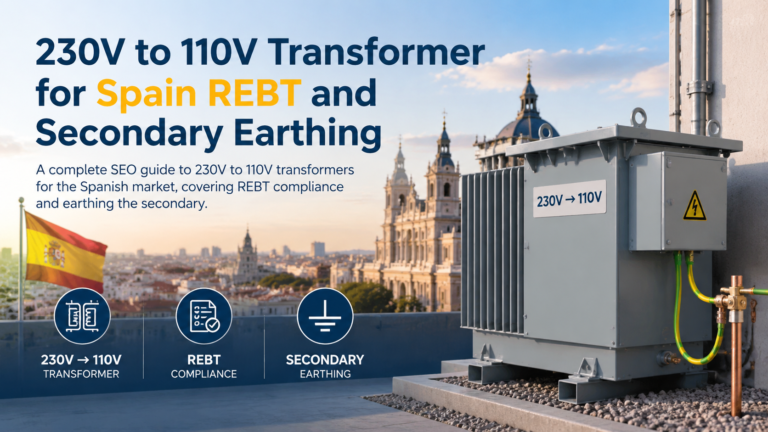
İspanya için 230 V - 110 V transformatör: REBT uyumluluğu, ITC-BT-18 ve ITC-BT-24 standartları, ikincil devrenin topraklanması ve UNE-EN IEC 61558 belgeleri.
Hollanda için 230 V - 110 V transformatör: NEN 1010, 30 mA kaçak akım kuralları, kaçak akım anahtarı ile otomatik kaçak akım şalteri arasındaki fark ve ikincil topraklama.